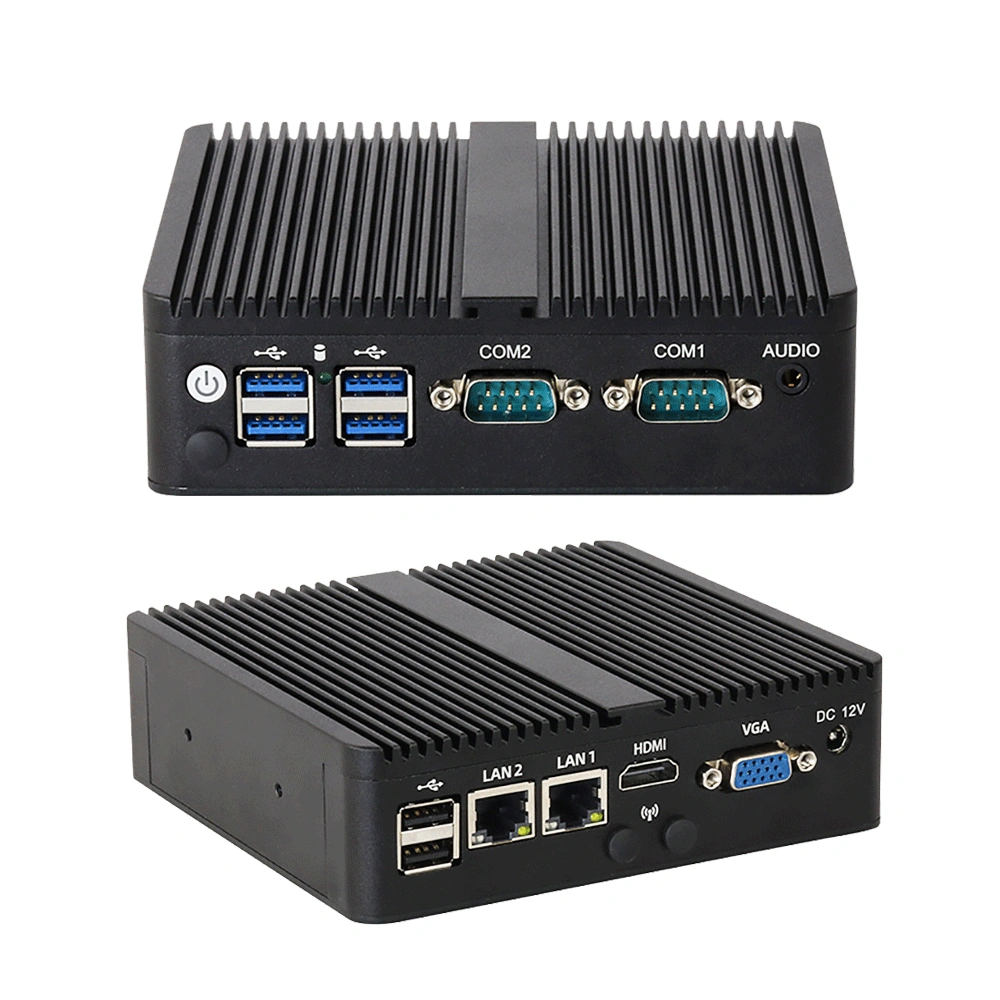
Industrial
Mini PCs.
The Silent Brain of Smart Retail.
TillNode engineers the edge computing nodes. We pack commercial-grade processing power into ultra-compact, fanless chassis, and we build the foundation for your digital signage, self-service kiosks, and POS networks on absolute reliability.
Engineered for Zero Downtime.
Fanless Architecture
Fanless nodes have no moving parts at all. Passive cooling technologies stop dust accumulation and guarantee silent operation in harsh environments.
24/7 Commercial Stability
Our nodes skip consumer-grade limitations. Industrial motherboards and premium capacitors keep performance uninterrupted, day and night.
Unrestricted Connectivity
You get smooth peripheral integration. Legacy COM ports, dual LAN, and multiple USB interfaces connect your entire retail ecosystem.
Computing Nodes for Every Workload.
From complex AI vision to simple signage rendering.
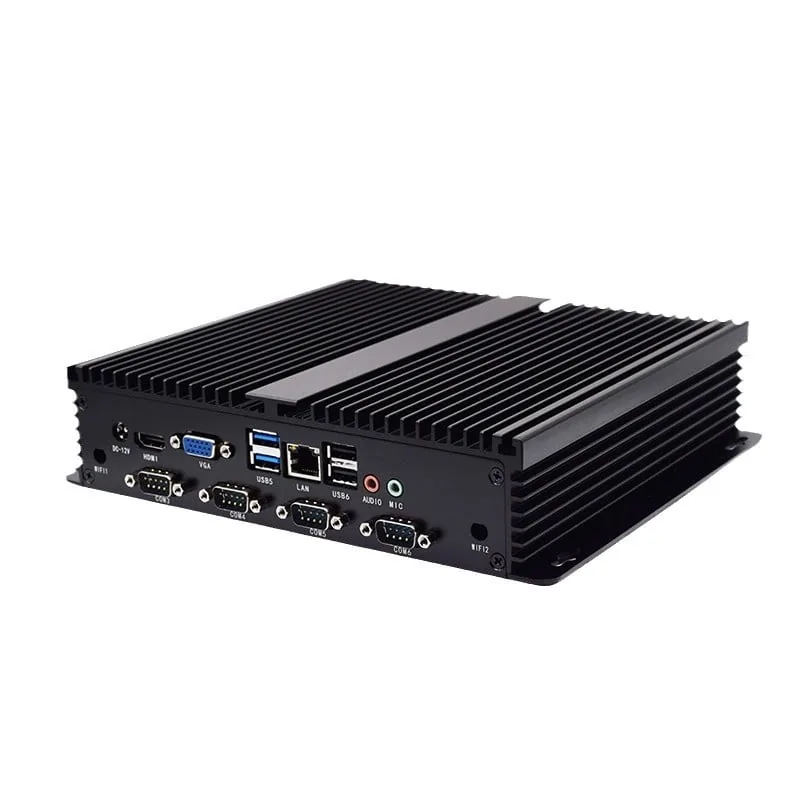
The Edge Hub
These nodes deliver maximum processing power. They drive complex POS algorithms and multiple high-res displays.
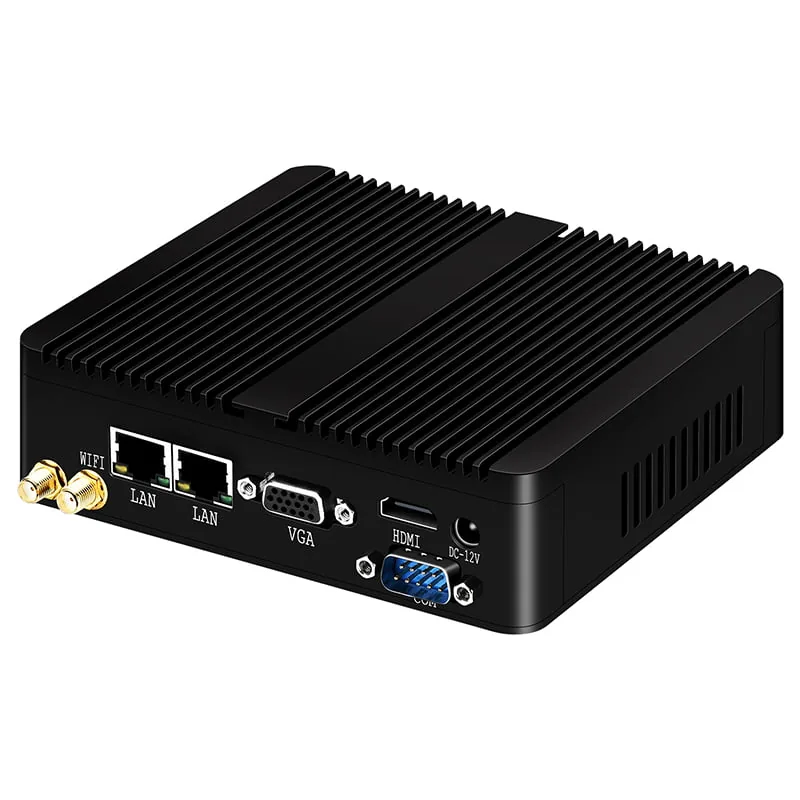
The Signage Node
They run media-heavy applications. Ultra-compact dimensions slip behind displays.
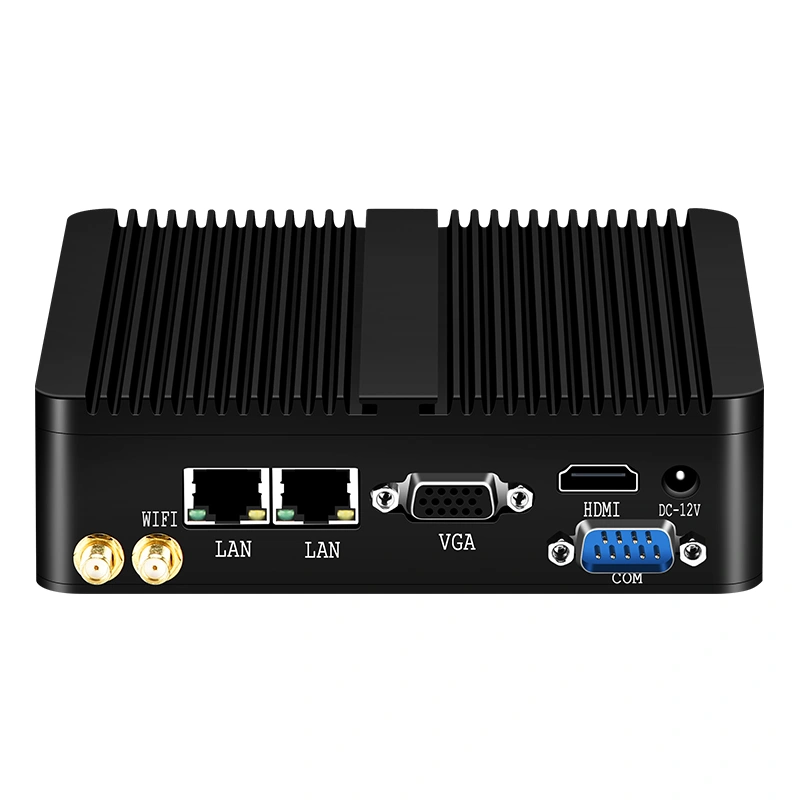
The Legacy Bridge
Legacy hardware stays compatible. A multitude of serial ports connects older scales and scanners.
Limitless Peripheral Integration.
We resolve the integration bottlenecks of traditional PCs. A comprehensive array of industrial I/O ports lives directly in the chassis. Whether you run modern high-speed sensors or legacy barcode scanners, connectivity comes immediately.
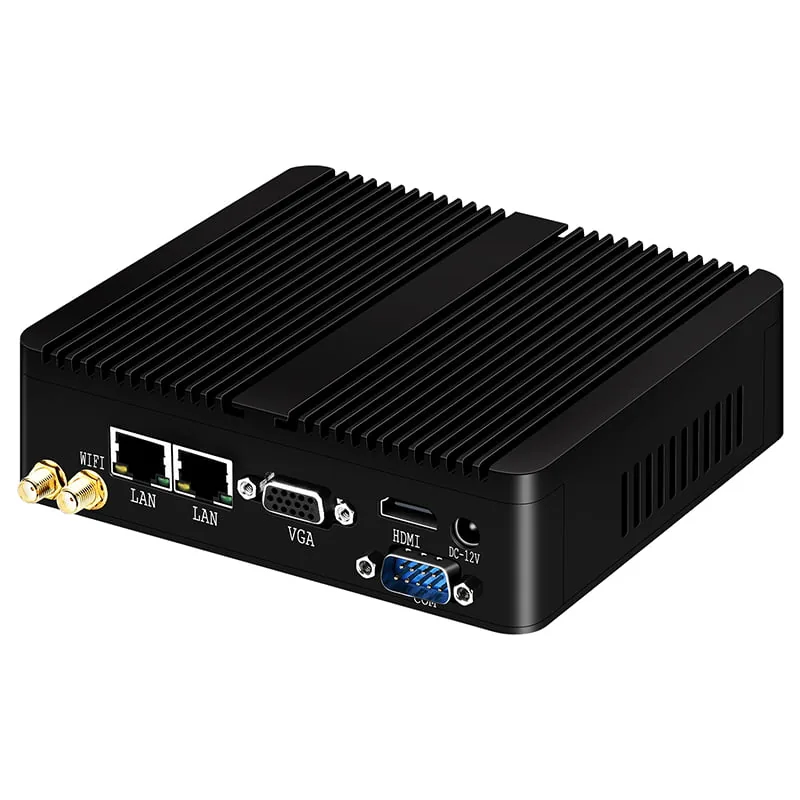
Powering Global Commerce Infrastructures.
Invisible architecture. Unstoppable performance.
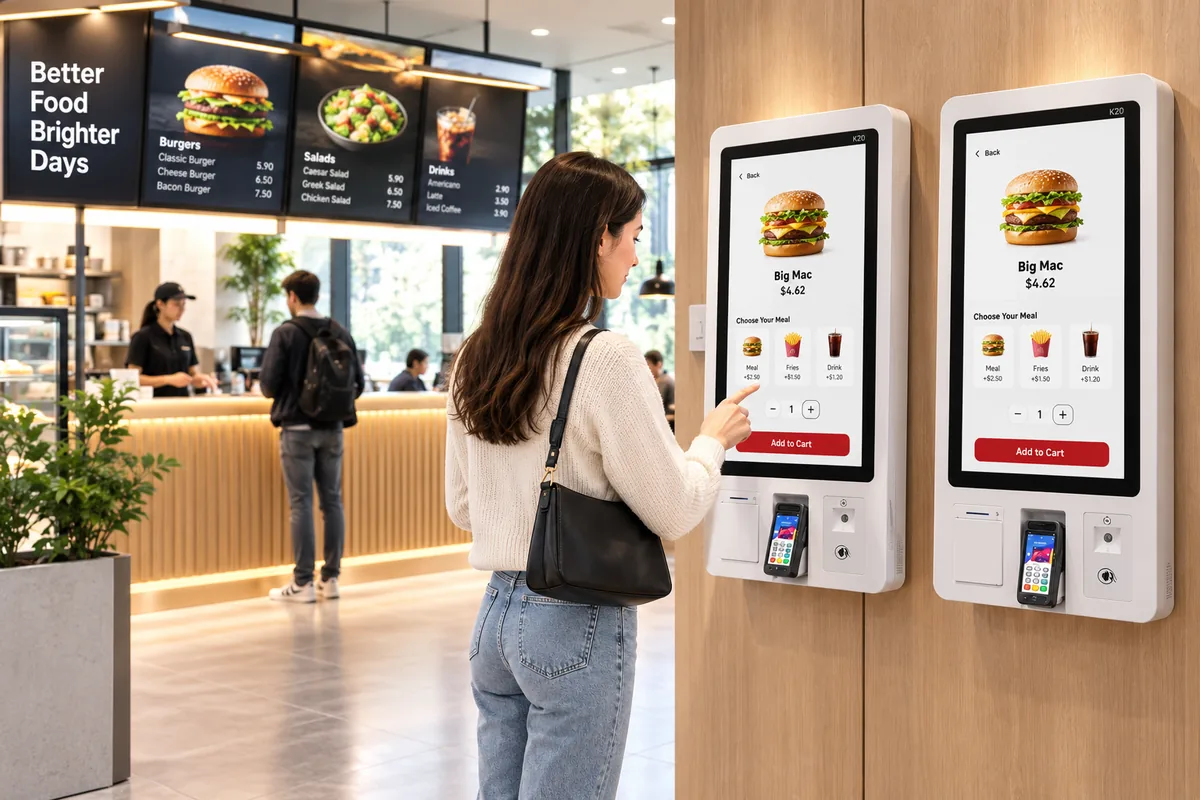
Self-Service Kiosks
A single hidden computing node orchestrates payment modules, touch screens, and receipt printers.
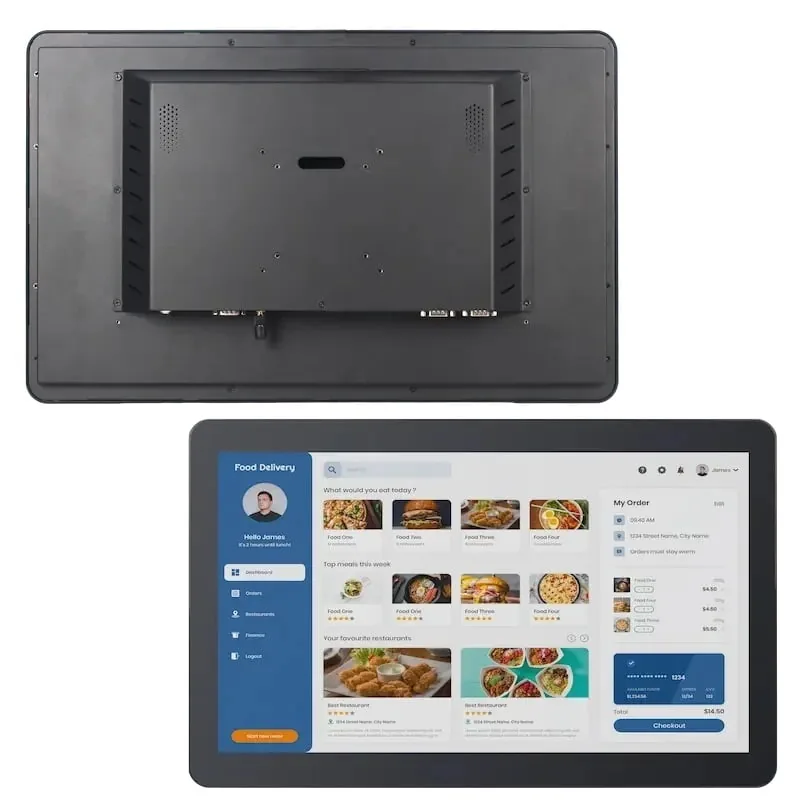
Kitchen Display Systems
The fanless, completely sealed aluminum chassis shrugs off high temperatures and grease.
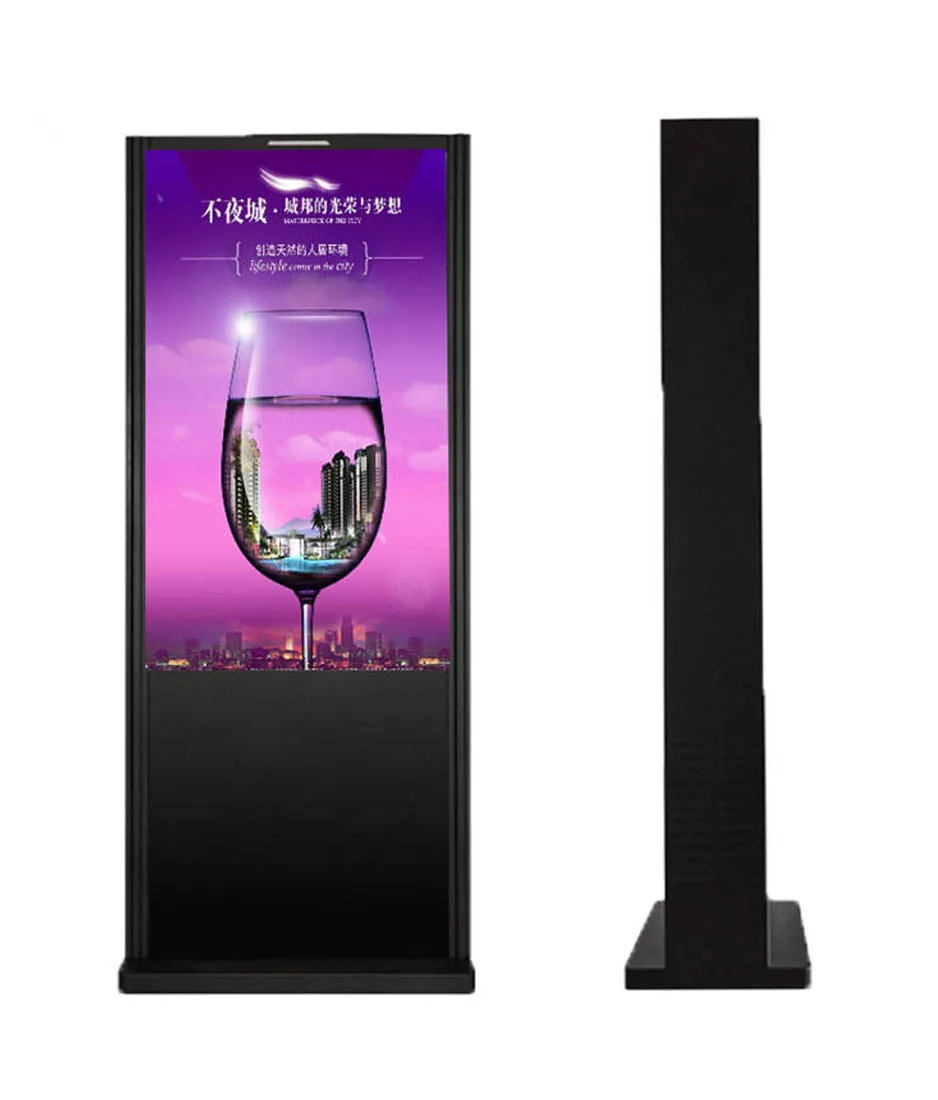
Smart Digital Signage
These nodes render dynamic, multi-screen 4K content immediately across retail aisles and large-scale shopping malls.
Industrial Mini PC Specifications & Configurations.
The engineering baseline across the industrial Mini PC range. We confirm each parameter per project against your software stack and deployment environment.
Processor Options
Intel® Core™ i3 / i5 / i7 across 10th, 11th and 12th generation architectures, with Celeron® and Pentium® options for lighter workloads.
Memory (RAM)
DDR4 SO-DIMM sockets, scalable per deployment. We fit and soak-test memory at the factory, or ship it empty for local assembly.
Storage Architecture
A primary NVMe system drive paired with a removable SATA bay for bulk data, image archives or field-swappable spares.
Display Output
Dual or triple independent displays for counter-and-customer-facing layouts, digital menu boards and multi-head signage.
Networking and Cellular
Dual Intel Gigabit controllers for stable bridging and failover, with Wi-Fi 6 and an optional cellular module for sites without fixed line access.
Serial and USB Ports
Serial ports are the reason industrial Mini PCs still exist: scales, label printers, PLCs and old peripherals that speak RS232 and nothing else.
Supported Operating Systems
We supply full driver packages for each platform, including the long-term-servicing IoT builds that industrial software vendors standardize on.
Power and Thermal Design
Wide-voltage input tolerates the unstable supplies common at edge sites, and you can specify the chassis fanless or with smart active cooling depending on ambient temperature and dust.
Operating Environment
Specified for the places ordinary consumer PCs are not: dust, heat, vibration and continuous duty cycles rather than an eight-hour office day.
Industrial Mini PC Engineering FAQs.
The architecture and integration questions system integrators and software vendors ask before specifying a compute node.
How does a fanless system prevent overheating?
Mechanical fans disappear entirely, so no dust gets in. The whole extruded aluminum chassis works as a passive heatsink: copper blocks pull heat off the CPU and the external fins disperse it continuously. That is what allows 24/7 duty in dusty or silent-critical sites.
Should I choose a fanless or an actively cooled unit?
Environment decides it. Choose fanless for dusty sites (warehouses, factories) or anywhere absolute silence matters. Active cooling wins for enclosed kiosks running in high ambient temperatures, where it lets an i5 or i7 hold turbo-boost clocks instead of throttling.
How are power outages handled in remote deployments?
You never need a manual reset. “Restore on AC Power Loss” (auto power-on) comes enabled natively in the customized BIOS, so the unit boots itself once mains power returns. A hardware watchdog timer also reboots the system automatically if the operating system freezes.
Can I configure the COM ports for RS485 to drive legacy PLCs?
Yes. Selected COM ports on our industrial motherboards toggle between RS232, RS422 and RS485 through BIOS settings or onboard jumpers, so you pull data directly from industrial sensors and PLCs without an external converter.
Can I still install legacy operating systems?
We maintain backward compatibility deliberately. Modern nodes support Windows 11 and current Linux kernels, while we continually manufacture legacy-socket architectures to keep Windows 7, Windows 10 IoT and older industrial automation software running on supported hardware.
What is the minimum order quantity for OEM customization?
Standard off-the-shelf units carry no minimum order quantity. We run custom BIOS splash screens, chassis colors and laser-engraved logos from 50 units. Our engineering facility evaluates deeper PCBA redesigns directly as project work.
Barebone and OEM Engineering.
Off-the-shelf platforms are often insufficient at enterprise scale. We execute deep customization in-house, from motherboard layout to the image the unit boots on arrival.
Motherboard-Level Customization
We engineer bespoke I/O panel layouts and specific COM port voltages for enterprise partners, so the rear panel matches your installation rather than forcing an adapter chain.
Chassis and Brand Identity
We produce custom chassis dimensions, colors, laser-engraved logos and custom BIOS startup logos exclusively for your project instead of re-badging a catalog box.
Barebone Shipments
Units can ship without RAM or storage for local assembly and qualification, which keeps duty and inventory planning with your own team whenever you prefer it.
Factory Software Image
We flash images on our assembly line: we pre-install your operating system, drivers and proprietary applications, so the hardware arrives provisioned and boots ready at the deployment site.
Customize Your Computing Nodes.
Bespoke hardware configurations are supported. We ship barebone units or fully assembled systems with a pre-installed OS anywhere in the world. Our engineering center handles volume pricing and custom OEM chassis designs directly.