POS Terminal Manufacturer for White-Label, OEM & ODM Programs.
We manufacture POS terminals, self-service kiosks, Electronic Shelf Labels, industrial Mini PCs, barcode scanners and handheld PDAs in our own 5,400㎡ Shenzhen factory — then brand them as yours. MOQ from 50 units, 10–15 day lead time, 12–24 month service coverage, CE / FCC / RoHS and ISO 9001:2015.
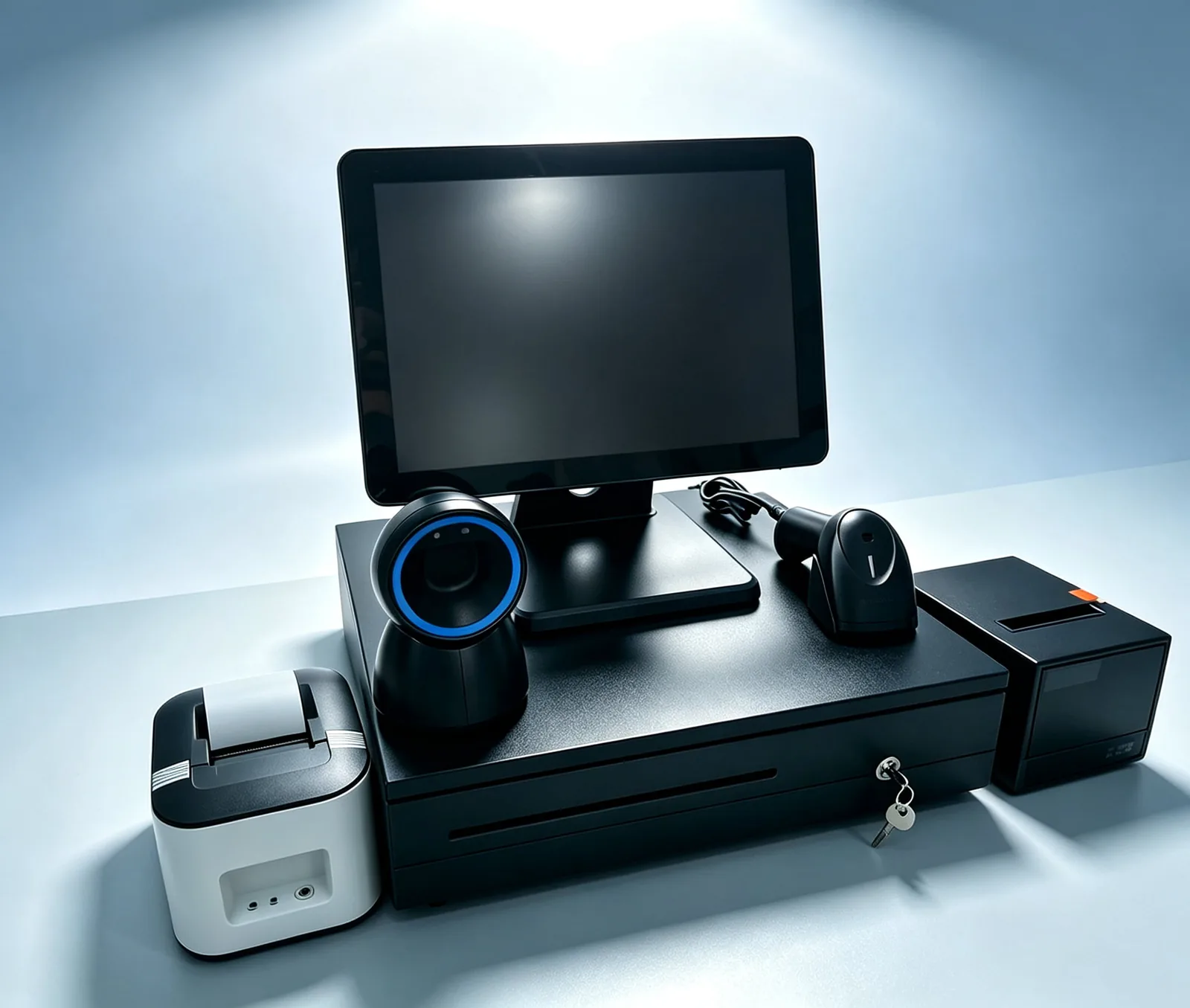
A Shenzhen Factory Behind Every Custom POS Terminal.
We are a POS terminal manufacturer, not a trading company. Design, tooling, assembly, testing and packaging all happen inside one 5,400㎡ facility in Shiyan, Shenzhen — so your brand, your firmware and your lead time stay under one roof.
What a Custom POS Terminal Actually Means Here.
A custom POS is not a device we pick off a shelf and repaint. It is a terminal built against your specification: the CPU and memory your software needs, the screen size your counter allows, the ports your peripherals demand, and the firmware image your installers can push without a support call. When a buyer asks for a custom POS hardware program, they are asking for exactly that — a device that fits their software, their brand and their roll-out, not a generic chassis with a new sticker.
That is why we separate the two halves of the market clearly. A custom POS software project — application development, integration work, SaaS licensing — is not what we do, and we will tell you so on the first call rather than waste a quarter of your procurement calendar. What we do is everything on the hardware side: a custom POS terminal, its accessories, its packaging and its firmware, engineered to your spec and produced under one roof. If you are scoping a custom POS program across several sites or several product lines, the same engineering team carries it from the first sample to the last container.
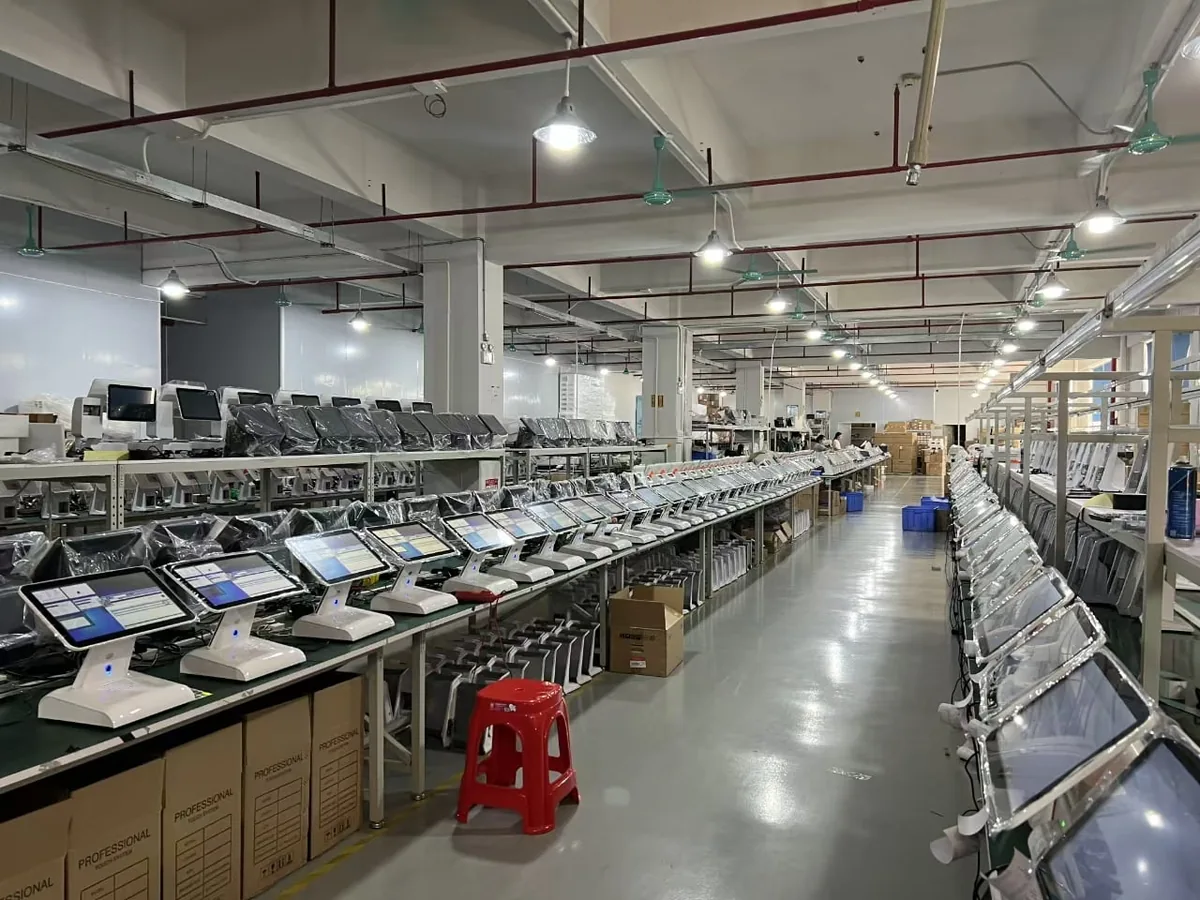
Shiyan, Shenzhen — POS, kiosk, ESL, printer and Mini PC production under one roof.
ISO 9001:2015 quality management with antistatic (ESD) process control.
Continuous operation at 50°C before shipment — 100% of computing nodes.
Sampled to AQL II with 0.65 major and 1.0 minor limits, plus 100% test of key functions.
Numbers verified on our production floor. Factory audits and video tours are welcome — see inside the factory. Before you shortlist anyone, the twelve questions worth asking are the ones a trading company cannot answer.
Certifications & Compliance
Every model ships with the documentation your market requires. Local certification support (BIS, ANATEL, KC and others) is available as a project service.
European Conformity
US Federal Communications
Hazardous Substances Free
Quality Management
Ingress Protection Report
Certificates are issued with each shipment. Download certification documents or request the compliance file for your market.
How Every Unit Is Tested Before It Ships
The same six gates apply to a 50-unit pilot run and a 5,000-unit rollout. Batch records are kept per production order.
Screens, mainboards, power modules, scan engines, batteries and wireless modules are checked against your project spec before production.
Appearance, quantity, key specifications and critical components are verified on arrival — before anything reaches the line.
Assembly, screen lamination and optical bonding follow fixed production standards inside our cleanroom and ESD-controlled areas.
Touch, display, ports, printers, scanners, wireless modules and power behavior are tested per product type — plus your POS software image.
Every computing node runs 48 hours continuously at 50°C. Key components are stressed at 60°C to eliminate early-life failures at our R&D and quality center.
Appearance, accessories, branded packaging and documentation are checked against your approved golden sample before the carton closes.
Repetitive multi-angle drop impacts to ISTA 1A, IEC 60068-2-31 and MIL-STD-810G.
Thermal chamber testing across the full operating range for cold-chain and outdoor deployments.
Splash and dust ingress testing on core terminals — built for restaurant and kitchen spills.
SUPPLIER AND OEM/ODM PROGRAMS
One Supplier for the Hardware, or a Full OEM and ODM Program.
Buyers arrive here with one of two jobs. Some need a hardware supplier who can quote, ship and support a mixed order across several retail categories. Others need an OEM or ODM partner who will tool, customize and manufacture the device under their own brand. In OEM ODM terms, that means one factory floor serving both buying styles rather than two separate businesses.
Hardware Supplier Route
A direct hardware supplier relationship for distributors, integrators and chain buyers. One point of contact across all-in-one POS terminals, kiosks, electronic shelf labels, barcode scanners and industrial mini PCs, with consolidated shipping and a shared RMA process instead of five separate vendors.
OEM and ODM Route
A full OEM or ODM program for brands building their own line. OEM follows your specification and industrial design; ODM starts from our validated platform and adapts enclosure, I/O, firmware and packaging to your market, then manufactures at volume under your label.
Who We Manufacture For.
Four groups of buyers run OEM and ODM programs with us. Find yours — the things we prepare for you are listed below it.
POS Software Vendors
You own the software; we own the hardware under it. We'll match CPU, RAM, touch panel and I/O to your platform, pre-load your OS image, and provide driver and SDK support so your app boots on a branded terminal instead of a generic one. If you are reselling a custom POS system under your own label, we keep the hardware side consistent batch after batch so your release notes never have to mention a component change.
System Integrators
One supplier for the whole site: all-in-one POS terminals, kiosks, ESL, scanners, printers, cash drawers and Mini PCs. Integrators who deploy custom POS systems across many client sites get one BOM, one firmware baseline and one spare-parts pool instead of a different supplier for every component.
Retail Chains
Start with a branded pilot store, then roll the same configuration across every location. We hold the firmware version, keep accessory stock consistent, and sign off each batch against the golden sample you approved.
Distributors & Resellers
Private-label product lines with regional power, plug and language configurations, your packaging and your manual. Volume pricing is published per tier, and we protect the territory you develop.
See distributor terms
The POS Manufacturers Behind Your Private-Label Program.
Buyer teams comparing pos manufacturers usually end up looking at a list of brands, a market-share chart, or a trading company wearing a factory's name. Here is what to check instead, and how we stack up on each one. Once two or three of them are in front of you, how to compare POS hardware quotations line by line sets out the six lines that have to be on the same basis before the numbers mean anything.
What Sets a Real POS Manufacturer Apart From a Trading Company.
The fastest way to tell a pos terminal manufacturer from a reseller is the answer to one question: who owns the tooling? A trading company can quote you a pos machine manufacturers price list and forward it to somebody else's line. A manufacturer can tell you the mold number, the panel supplier, the SMT partner line and the test data for the batch you are about to receive. When you evaluate pos equipment manufacturers, ask for the process diagram, not the brochure.
The second check is repeatability. A pos hardware manufacturers operation that also builds for other private labels will already have a version-control habit: golden samples, locked firmware baselines, and a BOM that does not drift between shipments. That discipline is what keeps a pos system manufacturers relationship intact after the third reorder — and it is the difference between a supplier and a partner.
The third check is scope. Some pos device manufacturers build only terminals; others cover the whole counter. A single source that also produces kiosks, ESL, scanners, cash drawers, printers, tablet payment device manufacturers pos lines and Mini PCs removes the integration risk that shows up when four vendors blame each other for a driver conflict.
- Owns the tooling and the mold
- Controls SMT at one qualified partner line
- Publishes batch test data and AQL results
- Holds a factory quality system
- Covers terminals and peripherals
- Guarantees long-term supply
We answer yes to all six. Auditing the line is our preferred way to prove it.
Tooling, screen lamination, final test and packing run under one roof in Shiyan, Shenzhen — SMT sits at one qualified partner line, not scattered across anonymous workshops.
Our factory quality system and cleanroom assembly area are the backbone of every batch we ship to a distributor network.
Component second-sourcing and last-time-buy planning keep a pos machine manufacturers in china relationship stable across multi-year rollouts, and the same schedule protects pos manufacturers in china buyers ordering against a fixed annual budget.
The reality behind most pos manufacturers uk, us pos manufacturers and pos machine manufacturers in india searches is the same: buyers want a factory they can verify, on a production line that will still be there when the second container lands. We publish our process, welcome factory audits, and keep every customized pos terminal on the same documented baseline from pilot to mass production. That is the whole offer, and it is why software vendors, integrators, chains and distributors all manufacture with us rather than simply buy from us.
MANUFACTURER CREDENTIALS
What Separates a POS Manufacturer From a Trading Company.
Any company can forward a spec sheet. A POS manufacturer owns the tooling, controls the SMT process and holds the test fixtures, which is why an OEM buyer can audit the process rather than take a catalog on faith.
Tooling and Molds
Enclosure tooling, mold ownership and structural design sit with us. That is what makes a pos hardware manufacturer able to change a port layout rather than just relabel an existing box.
Assembly In-House, SMT at One Partner
Boards are placed and reflowed at a single qualified partner line under our own process file, then return for assembly, burn-in and final test in the building that ships the unit. Every batch carries a lot record, so a defect traces to a line and a date instead of a purchase order.
Test Fixtures and Firmware Control
Functional test rigs, burn-in racks and firmware signing are held in-house. A pos terminal supplier that owns its own test loop can sign a build report, not just a packing list.
Distributors comparing pos manufacturers usually start with price. The question that decides the second order is whether the pos suppliers they shortlisted can hold a spec across years. That is a factory question, and it is answered by what is on the floor, not what is on the website.
What Can Be Customized.
From appearance to internal configuration, flexible OEM/ODM options can be prepared based on your product roadmap and deployment plan.
Branding & Logo
Your logo can be applied to hardware, boot screens, packaging, manuals, and product labels.
Enclosure Design
Housing color, surface finish, material, mounting method, and industrial design can be adjusted.
Hardware Configuration
CPU, RAM, storage, screen size, touch panel, ports, printer, scanner, and wireless modules can be configured.
Operating System
Android, Windows, Linux, and customized system images can be supported based on software needs.
Firmware & Drivers
Firmware, drivers, boot settings, peripheral support, and device behavior can be customized.
Interface & I/O Ports
USB, LAN, COM, HDMI, cash drawer, audio, Wi-Fi, Bluetooth, and other interfaces can be matched with your project.
Packaging & Documentation
Branded packaging, user manuals, labels, quick guides, and project documents can be prepared.
Software Compatibility
Hardware can be tested with your POS software, ERP system, kiosk software, or cloud platform.
Certification Support
Project certification requirements can be reviewed. Compliance support can be discussed for target markets.
Most requests arrive as an open question rather than a part number — a customized POS layout for an unusual counter, a screen that must sit under a canopy, a printer that has to share a single power rail with the terminal. Send us the constraint and we will tell you which of our existing platforms absorbs it with a configuration change, and which one needs tooling. Custom POS solutions are usually a conversation about the constraint, not a conversation about the price list.
OEM/ODM Product Lines.
A wide range of retail hardware can be customized by us to match your brand, software, and business scenario.
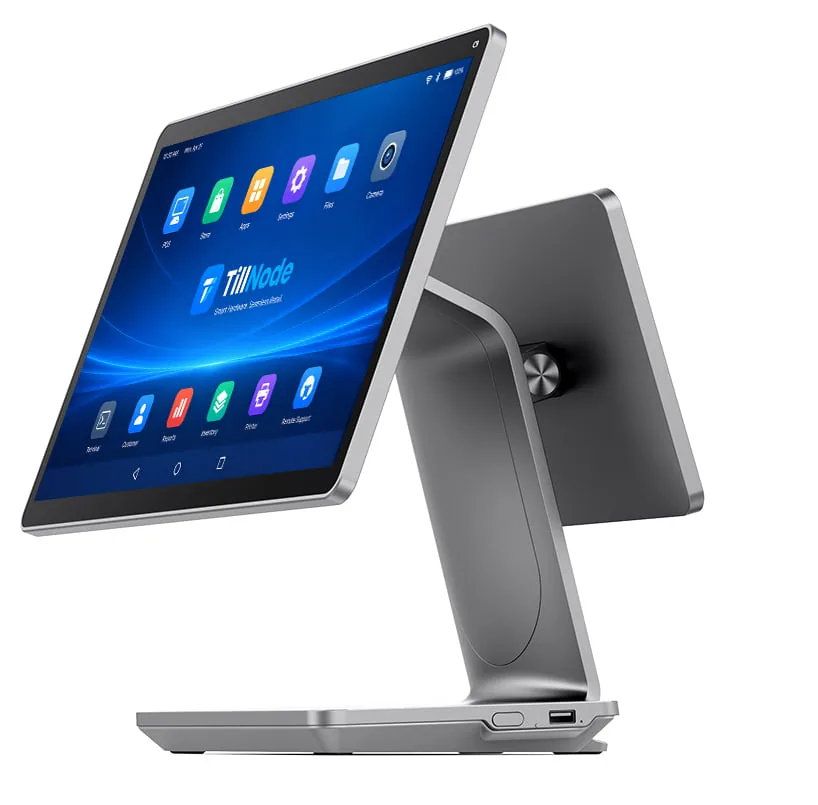
Custom POS Systems
All-in-one POS terminals, touch screen POS systems, Android POS terminals, and Windows POS hardware can be customized for retail and restaurant checkout. These are the pos machine manufacturers lines that also feed our pos equipment manufacturers catalog, so a single pos device manufacturers relationship covers terminals, peripherals and spares.
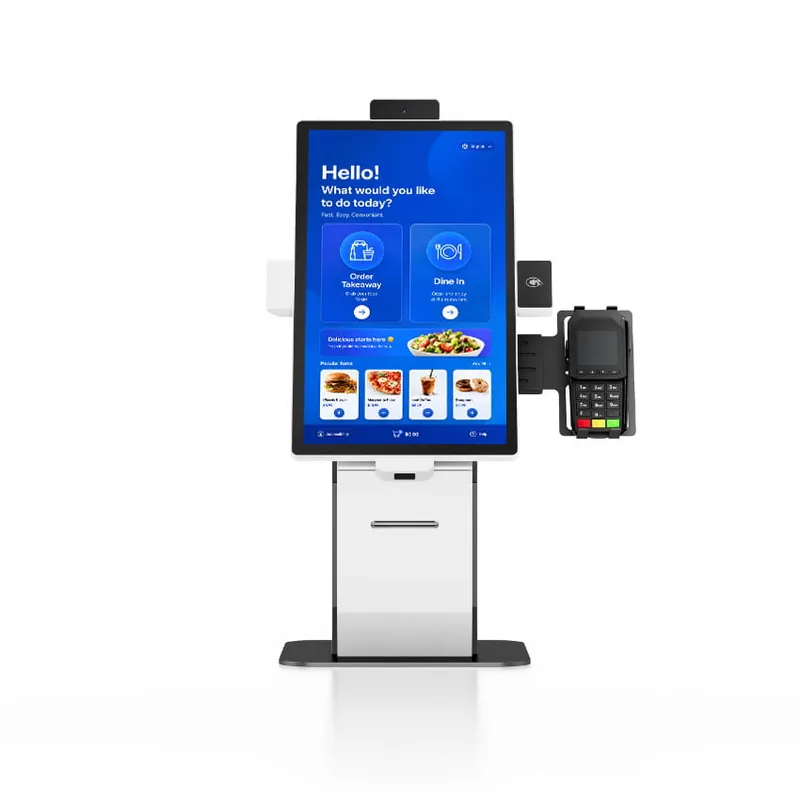
OEM Self-Service Kiosks
As a kiosk manufacturer, we build self-ordering kiosks, self-checkout kiosks, ticketing kiosks, and service terminals for customer-facing workflows. A kiosk manufacturer program with us starts at the enclosure and runs through the board, firmware and packaging, so a retail kiosk manufacturer relationship here is not a reseller arrangement. Buyers who need a kiosk supplier for a single rollout and buyers building a custom kiosk manufacturer program both land on the same production line.
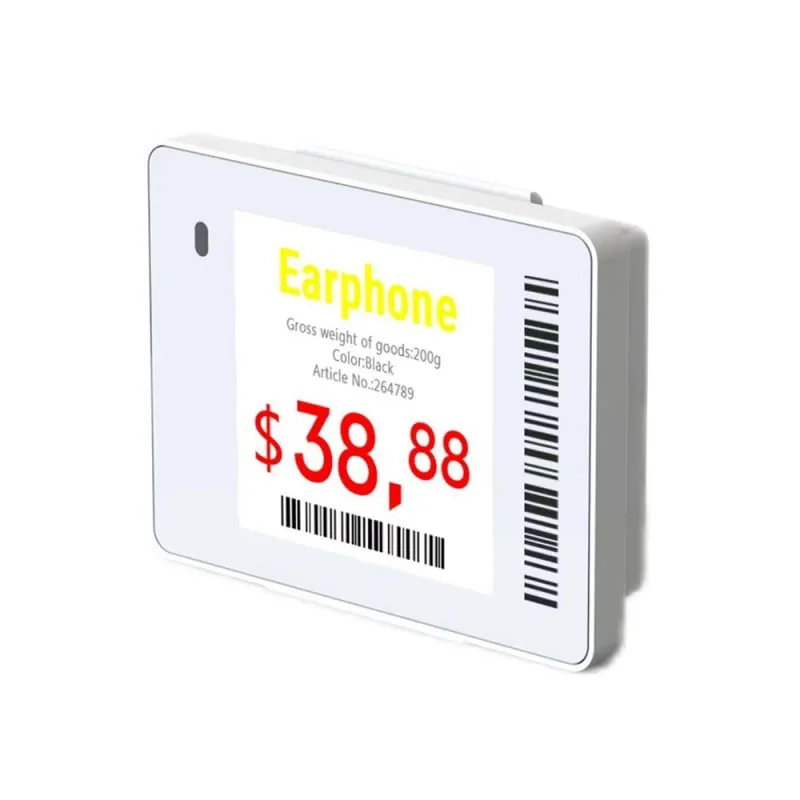
Custom Electronic Shelf Labels
Electronic Shelf Labels, digital price tags, E-ink display labels, ESL gateways, and cloud-connected pricing devices can be supplied for smart retail projects.
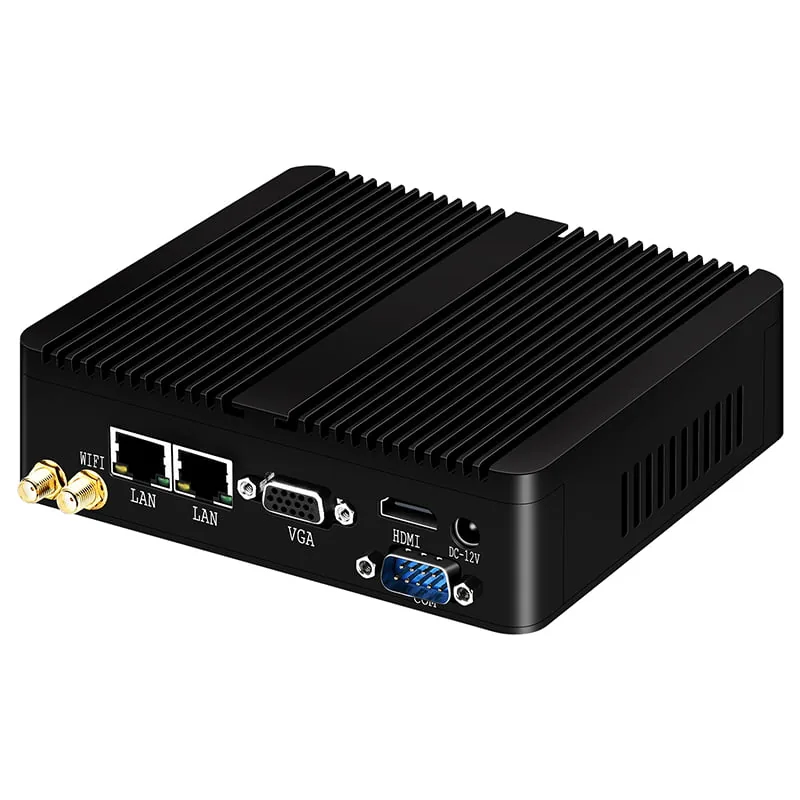
Industrial Mini PCs & Gateways
Fanless Mini PCs, industrial computing nodes, IoT gateways, and retail edge devices can be configured for 24/7 commercial operation.
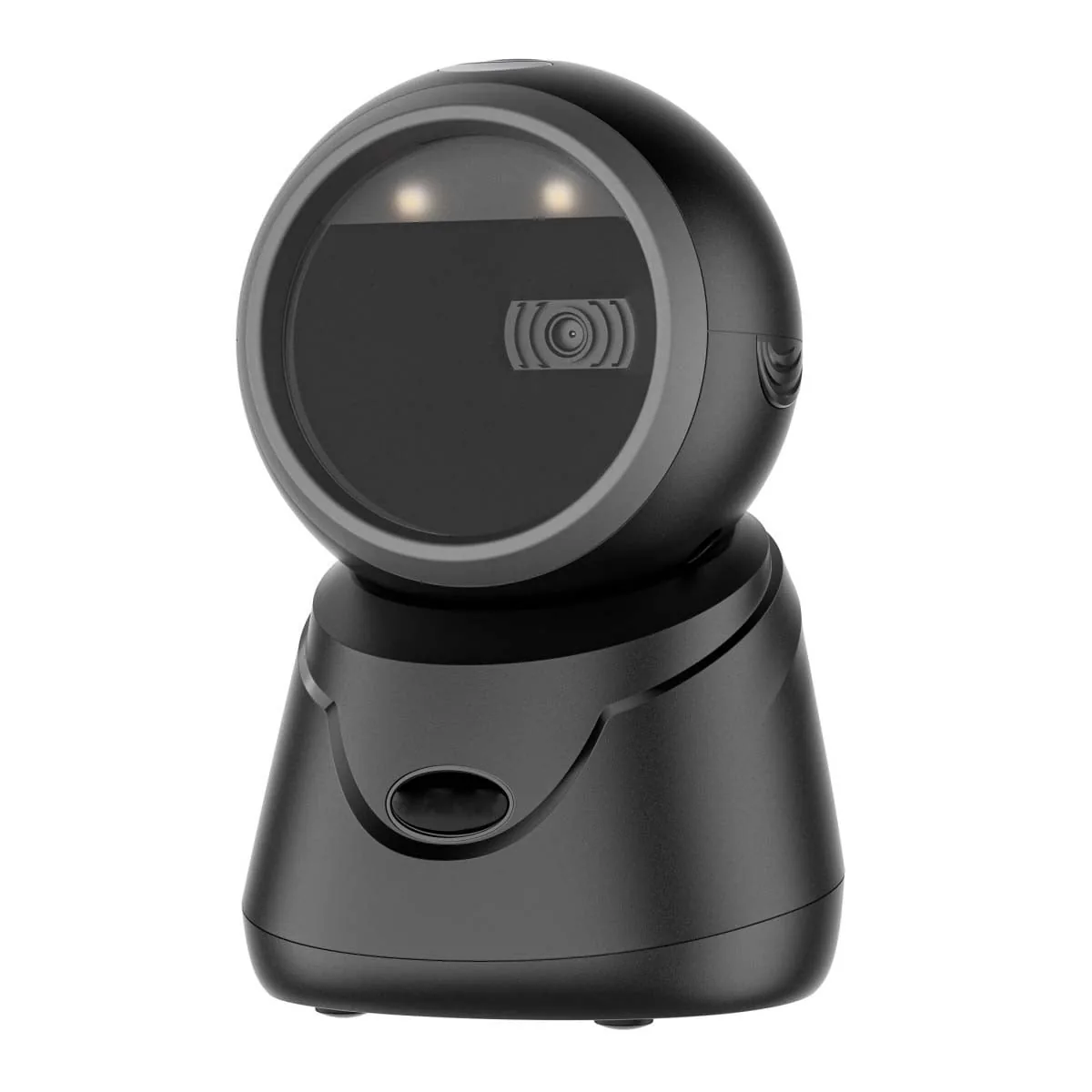
OEM Barcode Scanners
1D and 2D barcode scanners, QR code scanners, desktop scanners, and embedded scanner modules can be customized for retail, warehouse, and kiosk use.
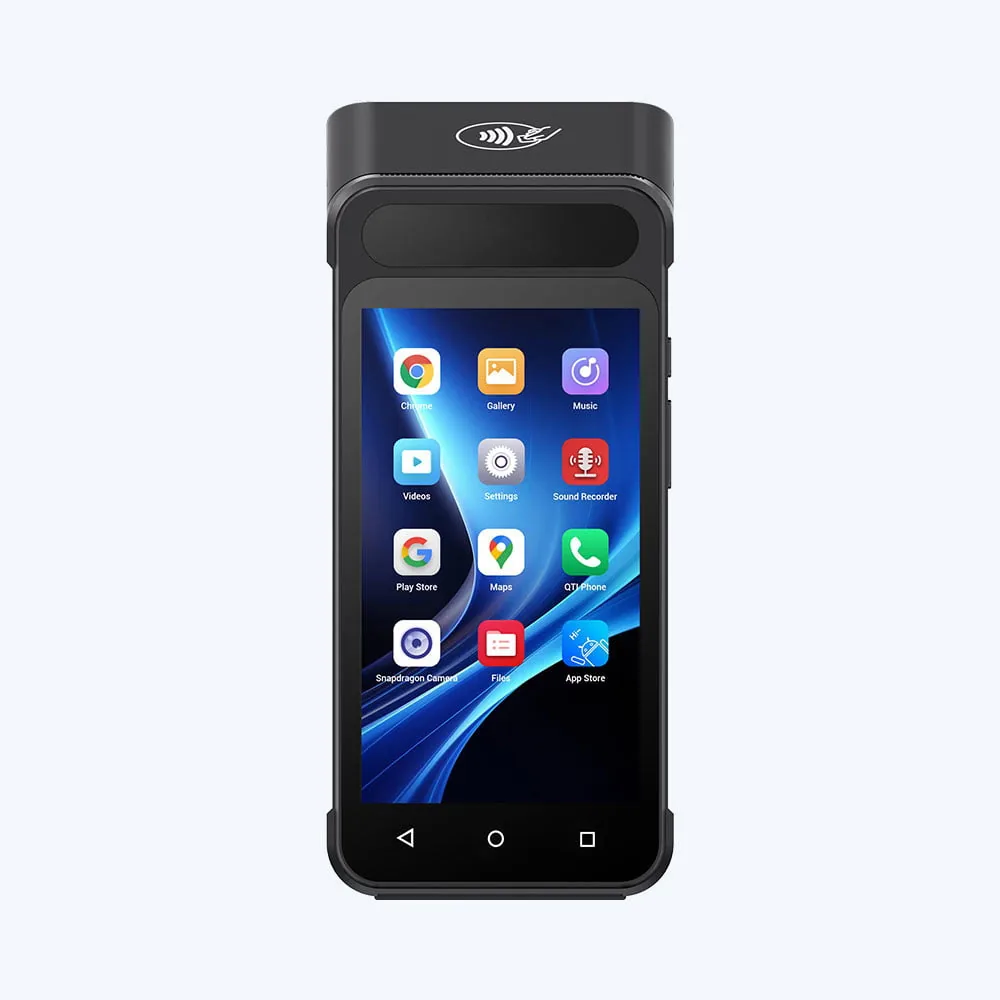
Handheld POS Terminals & Mobile Computers
HandHeld POS Terminals,Smart POS Terminals,Rugged handheld PDAs, Android mobile computers, inventory terminals, and warehouse scanning devices can be customized for mobile workflows.
MANUFACTURING SCOPE BY PRODUCT LINE
What We Manufacture, Line by Line.
Five hardware lines run through this factory. Each one can be supplied as finished product, or taken through an OEM or ODM program where the branding, enclosure and firmware become yours. Below is what each line actually covers.
Kiosk Manufacturing
Self-ordering kiosks, self-checkout kiosks, ticketing and information kiosks, payment kiosks and interactive kiosk hardware. As a kiosk manufacturer we handle enclosure work, touch integration, peripheral mounting and kiosk assembly in-house. A custom kiosk manufacturer engagement typically starts from a floor plan and an enclosure concept, while a kiosk supplier engagement is a repeat order against an existing validated model. Buyers searching through a kiosk oem route, or simply for kiosk manufacturers in their own market, are served by the same line.
POS Terminal Manufacturing
All-in-one POS terminals, touch screen cash registers, dual-screen terminals, Android and Windows units, and handheld mobile computers. This is the line most buyers reach first, and it is where custom POS programs concentrate. A point of sale manufacturer working at this scale can run a branded terminal program and a mixed distributor order through the same build plan.
Electronic Shelf Label Manufacturing
ESL tags, digital price labels, E-ink displays, base stations and cloud-connected pricing hardware. As an electronic shelf label manufacturer we pair the tag with the gateway and the pricing firmware, which is the part most ESL suppliers cannot control end to end.
Barcode Scanner Manufacturing
Handheld 1D and 2D scanners, presentation scanners, rugged scanners, scan engines and embedded scan modules. A barcode scanner manufacturer at this level can tune the decode engine for a specific label stock rather than ship a stock configuration.
Industrial Mini PC and Gateway Manufacturing
Fanless mini PCs, industrial computing nodes, IoT gateways and retail edge devices. A mini pc manufacturer here configures thermal design, mounting and I/O for continuous commercial duty, not desktop duty.
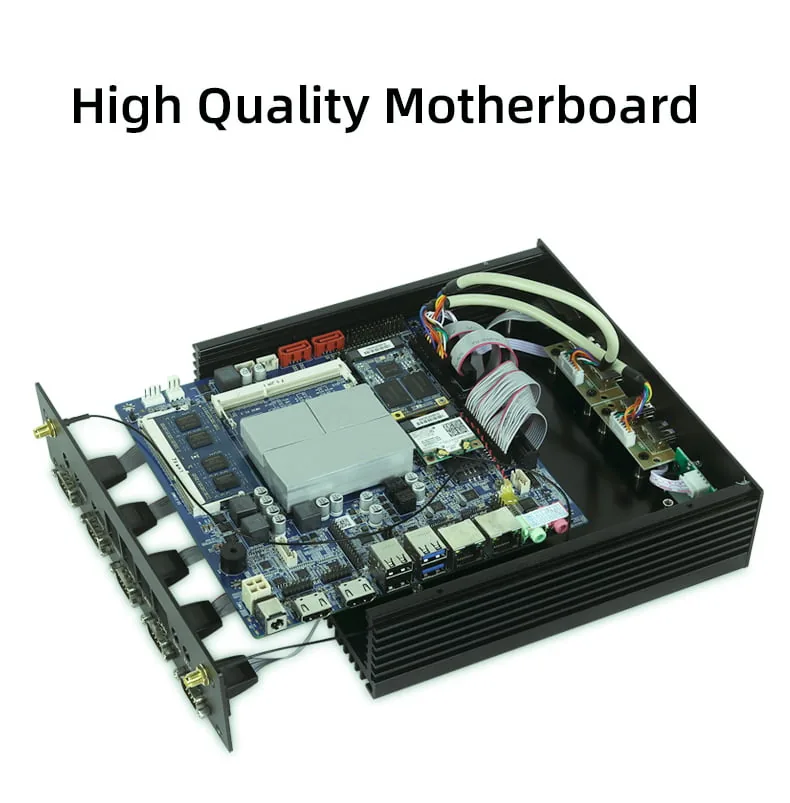
Engineering Support Behind Every Custom Device.
OEM/ODM projects are supported by practical engineering capability. Hardware structure, system configuration, peripheral integration, and deployment requirements can be reviewed before production.
Hardware Configuration Engineering
Processor, memory, storage, display, ports, wireless modules, and power design can be selected based on your application load.
Mechanical & Enclosure Design
Device appearance, internal structure, heat dissipation, installation method, and durability can be optimized for commercial environments.
Peripheral Integration
Printers, scanners, payment holders, customer displays, cash drawers, cameras, NFC modules, and other peripherals can be integrated.
System Image & Software Matching
System images, drivers, boot settings, and software compatibility can be tested to reduce deployment risk.
Retail IoT Connectivity
ESL gateways, cloud platforms, barcode devices, POS terminals, and computing nodes can be connected into one hardware layer.
Long-Term Supply Planning
Product lifecycle, component availability, batch consistency, and future rollout needs can be considered from the beginning.
A Clear OEM/ODM Process Is Followed.
From the first requirement to mass production, each step is managed to reduce uncertainty and improve project efficiency.
1. Requirement Review
Your product idea, software environment, target market, quantity, and timeline are reviewed by us.
2. Solution Proposal
Suitable hardware models, configuration options, customization scope, and estimated cost can be prepared.
3. Prototype or Sample
Samples or prototype units can be provided for appearance review, software testing, and internal evaluation.
4. Testing & Adjustment
Hardware performance, software compatibility, peripheral functions, and user experience can be tested and adjusted.
5. Mass Production
Approved specifications can be moved into batch production with controlled quality and consistent configuration.
6. Delivery & Long-Term Supply
Packaging, shipment, documentation, and future reorder planning can be supported for global projects.
Where a Custom POS Project Starts and Stops.
A custom POS manufacturer is a narrow role, and being clear about the edges saves everyone a wasted referral. Here is the line we draw.
In Scope: Hardware Customization
Housing, ID and MD, display size and touch type, CPU and memory, I/O and port layout, peripheral modules, branding, packaging and firmware image defaults.
In Scope: Project Coordination
Sampling, EVT and DVT cycles, certification support, batch traceability, spare-parts planning and long-term supply commitments for the model you approve.
Out of Scope: Pure Software Work
If your project is a custom POS software build — application development, SaaS licensing or integration consulting with no hardware purchase attached — we are not the right supplier and will say so early.
Out of Scope: Payment Processing
We supply the terminal and its payment-ready interfaces. Card scheme certification, acquirer onboarding and processing rates sit with your payment partner, not with the hardware factory.
Being explicit about the boundary is not a limitation — it is the fastest way to a yes. If your custom POS project includes hardware, we can usually confirm feasibility and a realistic MOQ within one working day of seeing your requirement.
Procurement Terms: MOQ, Lead Time, Warranty and RMA.
Clear commercial terms before you commit engineering time. Every figure below is confirmed again in your written quotation.
| Term | Standard |
|---|---|
| MOQ | From 50 units |
| Sample Unit | Available before order |
| Lead Time — Standard Configuration | 10–15 days |
| Lead Time — Custom / ODM Program | 4–8 weeks |
| Payment Terms | T/T |
| Warranty | 12–24 months by category |
| Extended Coverage | SLA up to 3 or 5 years |
| RMA Turnaround | RMA number in 24–48 h |
| Quotation Turnaround | Within 24 hours |
Terms are confirmed per project because MOQ, lead time and warranty all depend on the model and the level of customization requested. Send your requirements for a written quotation.
White Label and Private Label Programs
A white label POS system ships under your brand with your boot logo, packaging, documentation and region settings. A private label program goes further: the enclosure, key layout, I/O set and firmware defaults follow a specification you own, so the device cannot be bought from anyone else. Both run on our line rather than through a relabelling step.
Brand owners usually enter through one of three doors. Some come as a white label POS reseller and need a repeatable unit plus region-ready firmware. Some need a white label point of sale program with per-market packaging. Others arrive already holding a distribution agreement and need private label hardware to protect their margin. A manufacturing pos engagement and a custom pos program both settle into the same terms: MOQ per model, tooling ownership, sample approval gates and a warranty that follows the unit, not the order. Whichever door you come through, the inquiry that gets a firm answer is a written one, and a written request for quotation sets out the eight lines a quotation needs.
Quality Is Built into Custom Production.
Retail hardware fails in the field, not on the datasheet. So the numbers below are measured on our own line — not copied from a component supplier.
Burn-In Before Shipment
Every computing node runs 48 continuous hours at 50°C. Key components are stressed at 60°C to catch early-life failure before the unit leaves the building.
Sampling Standard
Every batch is sampled to AQL II — 0.65 major, 1.0 minor — and key functions are tested on 100% of units. The sampling plan sits in the batch record, so you see the limits before you order, not after a claim.
Drop Tests on Packaged Units
Repetitive multi-angle drop impacts under ISTA 1A, IEC 60068-2-31 and MIL-STD-810G. Tested in the packaging you ship in, because that is what survives the container.
Thermal Range Testing
Thermal chamber runs verify stable boot and operation across the full range — for cold storage rooms, unheated back-of-house and outdoor kiosk positions.
Ingress Protection Testing
Splash and dust ingress testing on core terminals against the IP65 rating, with an ingress protection report issued per model.
Software Compatibility Testing
Before mass production, we load your POS software, kiosk app, ERP or cloud platform image onto the pilot batch and test it end-to-end with the peripherals you plan to connect.
Full test reports and certificates are available per production order. See our quality and certification system.
Custom Hardware for Real Business Scenarios.
OEM/ODM devices can be built for different industries where stable operation, brand consistency, and scalable deployment are required.
Retail Stores
Branded POS terminals, ESL systems, scanners, and customer displays can be deployed for connected checkout and digital pricing.
Restaurants & QSR
Self-ordering kiosks, POS terminals, kitchen printers, and payment-ready hardware can be customized for fast service workflows.
Supermarkets
POS lanes, self-checkout kiosks, ESL tags, gateways, and scanning devices can be customized for high-volume operations.
Warehouses
Handheld PDAs, barcode scanners, Mini PCs, and edge gateways can be configured for inventory, picking, and data synchronization.
Hospitality & Service
Check-in kiosks, ticketing terminals, POS hardware, scanners, and printers can be customized for front desk and self-service use.
Smart Office
Meeting room signage, digital displays, Mini PCs, and connected devices can be branded and configured for workplace management.
SCOPE OF MANUFACTURING
A Kiosk Manufacturer Builds Electronics, Not Fixture Furniture.
The word kiosk covers two unrelated industries. One builds retail millwork, display counters and shop fit-out. The other builds electronic hardware. Sending a hardware brief to a millwork shop wastes a quarter, so it is worth being explicit about which side of that line we sit on.
What We Build
Self-ordering, self-checkout and ticketing kiosks with integrated touch and payment peripherals.
Kiosk enclosures in sheet metal and engineering plastic, built for the electronic assembly inside them.
Kiosk firmware, peripheral drivers and remote management for deployed fleets.
Integration work that ties a kiosk to your POS, loyalty or ticketing system.
What We Do Not Build
Retail millwork, display counters and shop fit-out.
Wooden or acrylic fixture furniture for mall concourses.
Leasing, sponsorship or event booth construction.
Interior design packages for shopping center operators.
If your brief is an electronic device with a screen, a board and a power supply, we are the right side of that line. If it is millwork or a fit-out package, a fabrication shop will serve you better. Being clear about this early is how a kiosk manufacturer project avoids a wasted first quarter.
Frequently Asked Questions
Common questions from distributors, ISVs and procurement teams evaluating a POS terminal manufacturer.
Are you a POS terminal manufacturer or a trading company?
We are a manufacturer. Design, tooling, assembly, screen lamination, testing and packaging all run inside our own 5,400㎡ facility in Shiyan, Shenzhen — the same site that holds our ISO 9001:2015 quality system and cleanroom assembly area. SMT placement happens at one qualified partner line under our own process file, then the boards return to the same building for assembly and test. You are welcome to audit it or take a video tour before you place an order.
What is your MOQ for an OEM or ODM POS terminal?
From 50 units on a platform we already build. We accept sample and pilot orders below that so you can validate hardware and software on your own stack before committing to a container. For a fully custom motherboard the minimum rises with the tooling and NRE.
What is the standard lead time, and what changes it?
Catalog configuration ships in 10–15 days from confirmed order and deposit. A branded ODM program with tooling, firmware image and pilot production takes longer, and a full OEM design with a custom motherboard longer still. Tooling, certification scope for your market, and how late the software image is frozen are the three factors that move the date most.
Which certifications do you hold, and can you get local ones?
CE, FCC, RoHS, ISO 9001:2015 and IP65 with an ingress protection report. Because our platforms are already certified, re-branding usually means a Declaration of Conformity update rather than full re-testing. Where your market needs its own mark, such as BIS, ANATEL or KC, we scope and manage that certification as a project service.
Can you print our logo and ship in our packaging?
Yes. We support screen printing on the housing, custom boot logo and boot animation, tailored BIOS or firmware defaults, branded packaging, your user manual and your product labels. Nothing on the shipped unit carries our name unless you want it to.
Do you provide SDK, drivers and firmware updates?
Yes. We ship SDKs, drivers and interface documentation for the peripherals in your configuration, and we match the system image, drivers and boot settings to your software before mass production. Long-term supply planning covers firmware version control and component availability.
What is the warranty, and how does RMA work?
12 months on POS terminals as standard, and 24-month service coverage on Mini PCs and self-service kiosks — 12 months of warranty, then repair at parts cost through month 24 with labor included. Extended SLA contracts run to 3 or 5 years for enterprise fleets. Our engineers diagnose failures remotely and issue an RMA number within 24–48 hours, then route the unit to our global repair network for repair or replacement to factory standard.
Can we visit the factory or request an audit?
Yes. On-site visits and third-party audits are welcome, and we can run a live video tour through the assembly lines, cleanroom, aging room and test lab if travel is not practical. Quality documentation, test reports, certificates and batch records are shared under NDA on request.
Can you build a custom POS terminal around a software platform we already own?
Yes — that is the most common shape of a custom POS hardware project we take on. Send us the platform, the OS version, the peripherals you must support and the target retail price, and we will propose one or two platforms that meet it. We pre-load your system image, match drivers and boot settings, and run a validation pass on your application before mass production so the first unit that reaches a counter already works.
Do you develop custom POS software as well as hardware?
No. We are a hardware manufacturer, so our custom POS work covers the terminal itself — the enclosure, board, display, I/O, modules, branding and firmware image. We do not write or license the cashier application, and we do not offer custom POS software development services. If your requirement is software-only, we will tell you on the first call and point you at the kind of partner you actually need, because a hardware factory is the wrong supplier for that project.
Do you manufacture kiosks as well as POS terminals?
What is the difference between a POS supplier and a POS manufacturer?
Do you offer white label and private label programs?
Start Your OEM/ODM Retail Hardware Project Today.
Tell us your product idea, target application, software platform, quantity, and branding needs. A custom hardware proposal can be prepared by our team.
Whether you found us searching for pos manufacture or pos manufacturers, comparing pos terminal manufacturers, or looking for a point of sale manufacturer who can hold a spec, the next step is the same: send the spec, the target market and the volume, and we will tell you honestly whether it fits our line. Distributors comparing pos suppliers, brands evaluating an OEM or ODM program, and buyers who simply need a dependable POS terminal supplier all start from that one form.
Tell Us About Your Custom Hardware Project.
Your requirements will be reviewed by our product and engineering team. A suitable OEM/ODM proposal can be prepared.
Your Software. Your Brand. Our Retail Hardware Backbone.