Fanless Mini PCs
Sealed Chassis, No Vents.
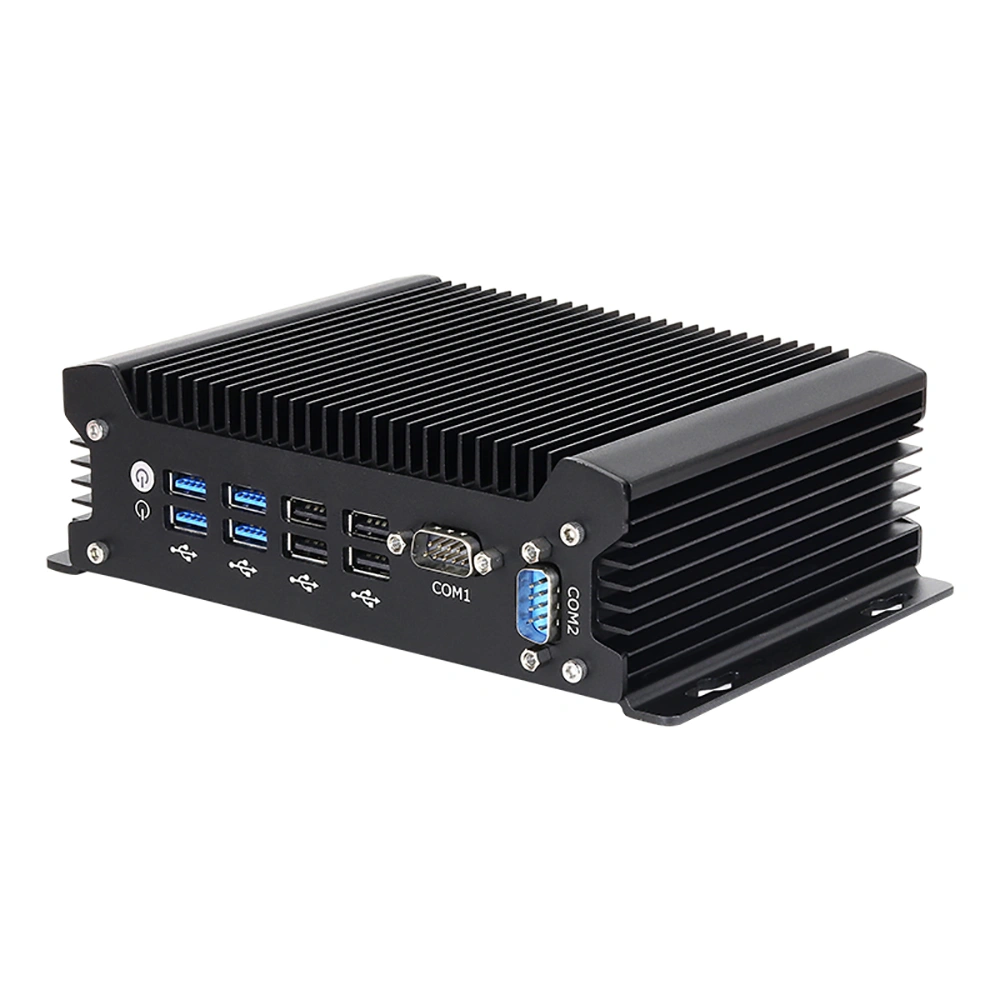
TillNode permanently eliminates the primary point of hardware failure. We engineer our fanless mini PCs with passive cooling technology. Maximum computing stability comes without a single moving part.
Passive Cooling Architecture.
Our engineering team applies advanced thermal dynamics. Heat from the processor dissipates efficiently through a rugged, finned aluminum chassis. The hardware lasts significantly longer because there are no internal fans and no vents.
- Zero thermal throttling under heavy loads
- Elimination of mechanical failure points
Engineered to Endure.
Built from the ground up to survive conditions that destroy conventional computers.
Dust-Resistant Structure
A sealed, dust-resistant structure blocks airborne debris, lint, and grease entirely, protecting sensitive internal microelectronics from environmental contamination.
Low Noise Operation
These mini PCs generate zero acoustic interference. Our silent units slot into environments where we strictly prohibit operational noise.
Stable 24/7 Operation
These nodes keep continuous computing running. They prevent thermal throttling effectively, which ensures stable 24/7 operation for your mission-critical software and local databases.
Deployed Where Standard PCs Fail.
From grease-filled kitchens to sterile clinics, our industrial fanless computers thrive everywhere.
Smart Warehousing
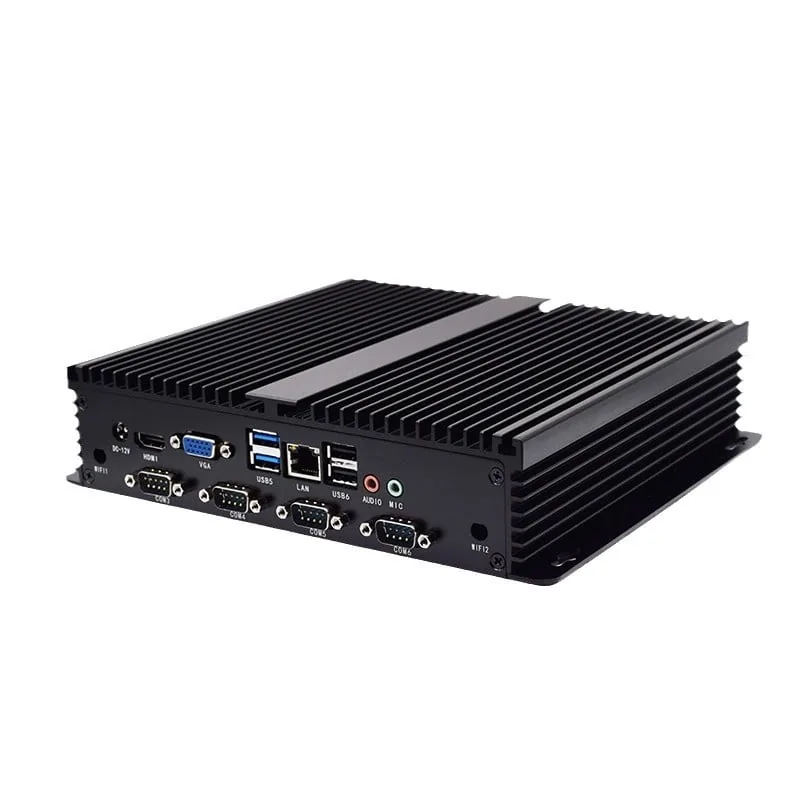
Dust accumulation is no longer a threat. Our industrial fanless computers host logistics software and inventory databases reliably, right on the warehouse floor.
Kitchen Display Systems
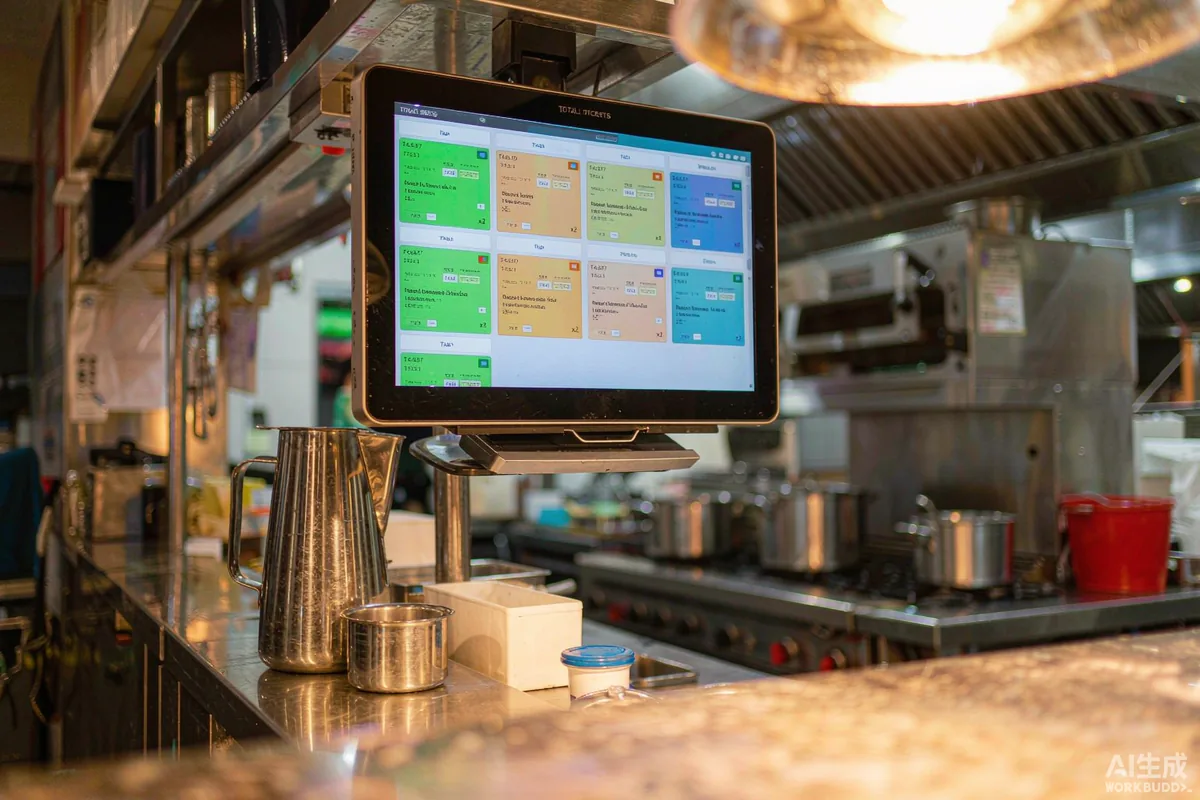
These units shrug off grease and high temperatures, and they keep order processing stable in the most demanding restaurant environments.

Premium Boutiques & Clinics
These units preserve a reliable customer experience. They power digital signage and POS software silently, matching the premium atmosphere of your space.
Fortify Your Edge Computing Node.
TillNode hardware eradicates system vulnerability. Our high-performance fanless mini PCs stand ready for your next challenging project. Consult our engineers to select the ideal processor and I/O configuration for your environment.
Embedded Single Board Computers and Fanless Nodes.
Beyond the finished Mini PC chassis, we deliver the same fanless engineering as single board computers for integration into your own enclosure, kiosk or machine design.
The ARM-Based Edge Node
Powered by Rockchip with Android or Yocto Linux. Engineered for ultra-low power draw and on-board AI acceleration, which makes it the natural fanless SBC for digital signage, Android kiosks and smart retail displays.
- ▪RK3568 / RK3588 platforms
- ▪Android / Yocto Linux
- ▪Built-in NPU for edge AI
The x86 Industrial Core
Powered by Intel Celeron, N-Series or Core processors with Windows IoT or Ubuntu. Chosen when legacy automation software or industrial control stacks have to run unchanged on supported silicon.
- ▪Celeron / N-Series / Core
- ▪Windows IoT / Ubuntu
- ▪Heavy-duty data gateways
The Ultra-Compact Pico Board
A credit-card-sized footprint for space-constrained integration, designed into handheld barcode scanners, smart lockers and miniature IoT edge gateways where no standard board will physically fit.
- ▪Pico / Nano form factor
- ▪Credit-card footprint
- ▪Handheld and locker designs
Single Board Computer Specifications and Supply Chain.
We document, stress-test and lock down every fanless single board computer for long-term industrial deployment rather than short retail cycles.
Cooling Mechanism
100% fanless architecture. We supply a heavy-mass CNC heat-sink block or a flat thermal-plate conduction option for integration into your enclosure, so the board handles thermal design instead of leaving it to the installer.
Supported Operating Systems and Kernels
We support Yocto Linux, Ubuntu 22.04 LTS, Android 11/12 and Windows 10/11 IoT Enterprise, with a full BSP and driver package supplied so your team is not reverse-engineering a vendor image.
Industrial Interfaces
Isolated COM ports (RS232/422/485), CAN bus protocols, opto-isolated GPIO headers and dual Gigabit Ethernet on Intel i210/i225 controllers. Isolation is the difference between a board that survives a factory floor and one that does not.
Lifecycle Commitment
A strictly locked bill of materials with no undocumented chip substitutions, and a minimum five-to-seven year supply longevity. You cannot build a project that ships for a decade on components that disappear in eighteen months.
Custom Silicon for Your Chassis.
Standard form factors are often insufficient for innovative hardware. Our own electrical engineers deliver full custom PCBA services for hardware startups and OEMs.
Ports Follow Your Enclosure
Connector placement is re-routed to match your enclosure openings, so cables terminate where the industrial design wants them rather than where a reference board happened to put them.
Board Outline Follows Your Envelope
Board outline and mounting hole positions are redrawn to your mechanical envelope. A board engineered to a 120 x 80 mm class footprint slides into a proprietary casing instead of forcing a redesign of it.
BOM Shrinks to What You Use
We remove unnecessary components for your application. We leave interfaces you will never use unpopulated, which lowers unit BOM cost and reduces the number of parts that can fail in the field.
Fanless Hardware FAQs.
Cooling, silicon and supply questions from integrators specifying a fanless node.
Why does a fanless mini PC survive dust better than a cooled one?
A fanless mini PC moves heat through a sealed aluminum chassis instead of a fan. With no intake vents, airborne debris, lint, and grease cannot enter the enclosure, so sensitive microelectronics stay clean and the unit runs silently.
How does heat leave the chassis with no fan at all?
The rugged, finned aluminum chassis acts as the heat sink. Heat from the processor dissipates through the fins by conduction, and on the single board versions we supply a heavy-mass CNC heat-sink block or a flat thermal-plate option.
Which processors and operating systems can I choose?
x86 builds run Intel Celeron, N-Series, or Core processors with Windows 10/11 IoT Enterprise or Ubuntu 22.04 LTS. ARM builds run Rockchip RK3568 or RK3588 with Android 11/12 or Yocto Linux and a built-in NPU for edge AI.
Do you supply a BSP and the full driver package?
Yes. Every board ships with a full BSP and driver package, so your team is not reverse-engineering a vendor image.
Which industrial interfaces does the board expose?
Isolated COM ports (RS232/422/485), CAN bus protocols, opto-isolated GPIO headers, and dual Gigabit Ethernet on Intel i210/i225 controllers. Isolation is the difference between a board that survives a factory floor and one that does not.
How long will the board stay available for our product?
A strictly locked bill of materials with no undocumented chip substitutions, and a minimum five-to-seven year supply longevity. You cannot build a project that ships for a decade on components that disappear in eighteen months.