SN-HC7060 Omnidirectional POS Reader
Retail hardware specified for the work it actually does.
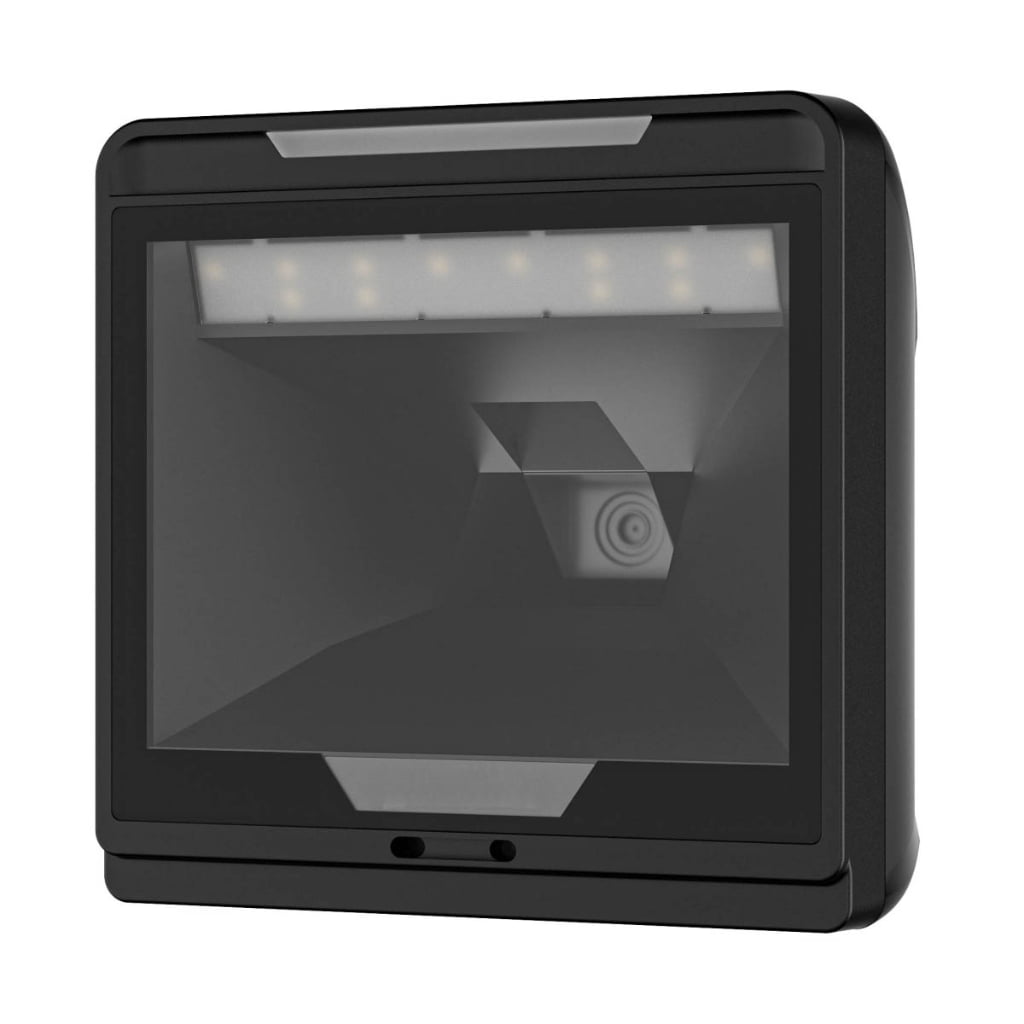
A 1,280 × 1,024 imager at 60 frames per second, set into a 152 × 76 mm housing on a rotating base tilted 6–10 degrees toward the shopper. Omni-directional reads of printed labels, PDF417 waybills and phone screens, with USB HID, USB virtual COM or RS232 on a single 1.8 m cable.
- MOQ 1 with 10–15 day lead time on stock models
- Spec sheets and SDK released before the order
- 12-month warranty, OEM branding available on volume orders
- SKU
- SQN-SN-HC-7060-O
- Availability
- In Stock
- Lead Time
- 10-15 business days
- Warranty
- 12 months standard
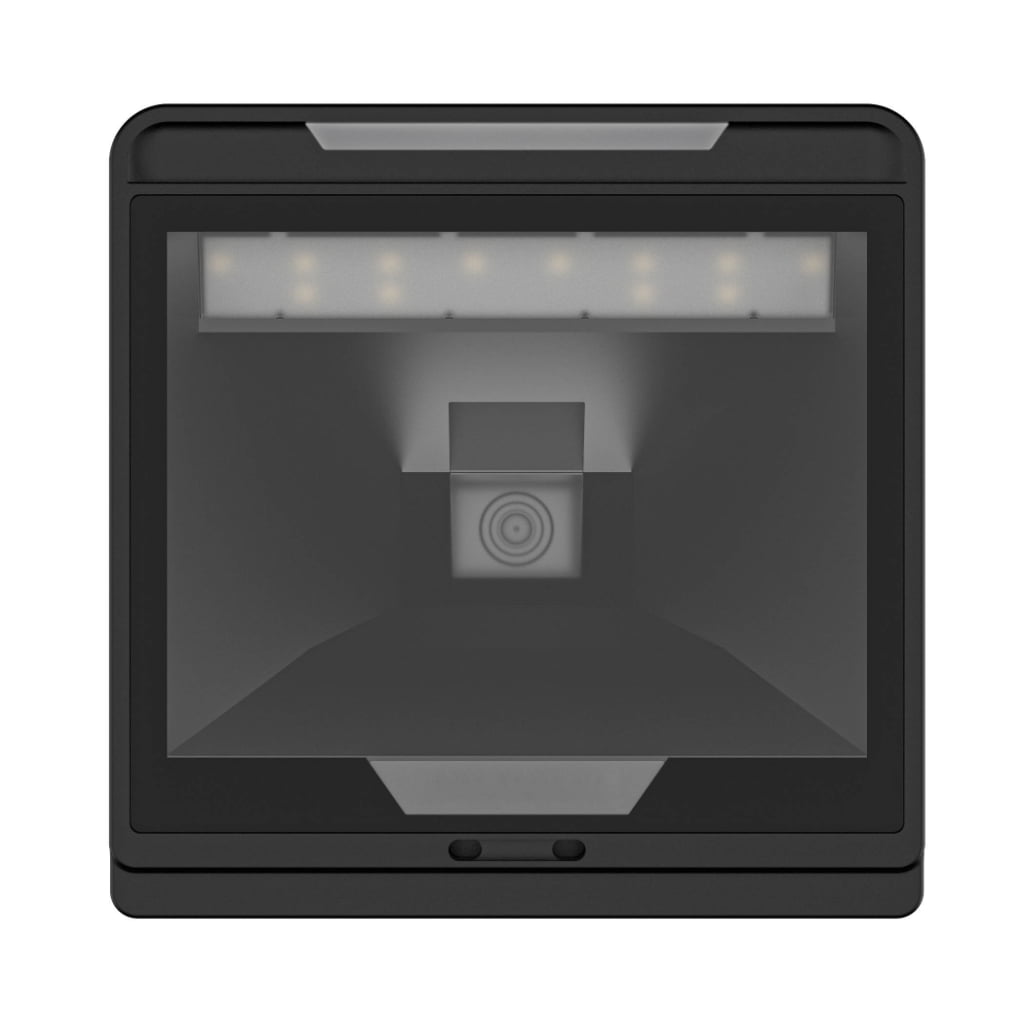
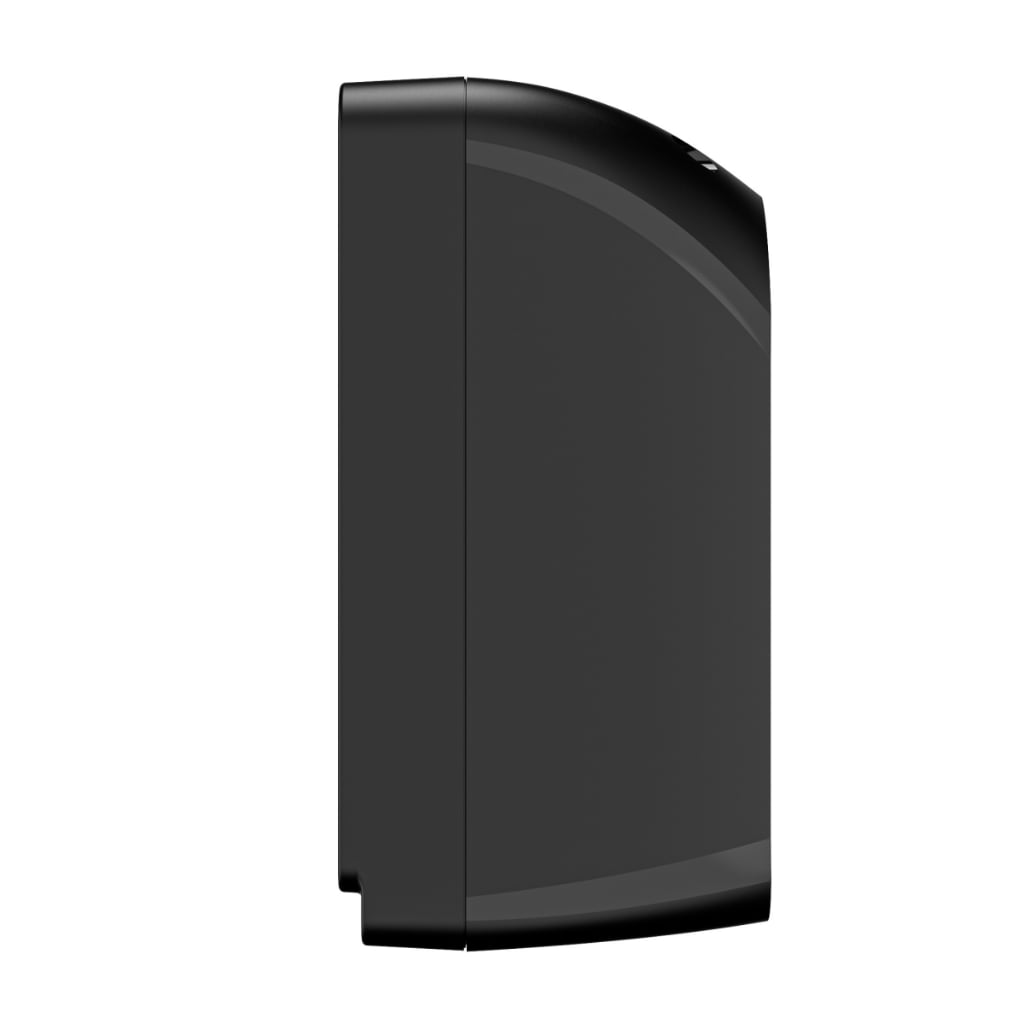
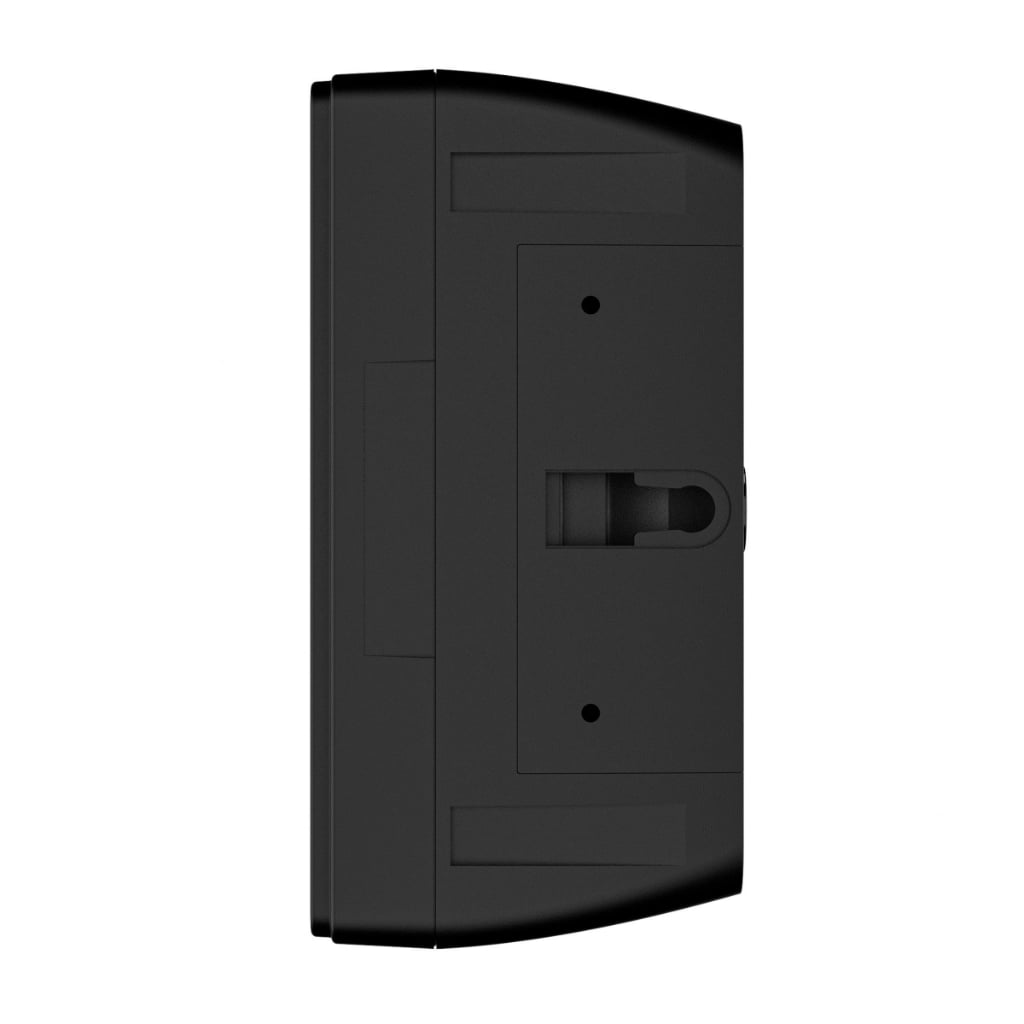
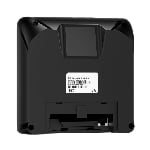
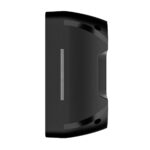
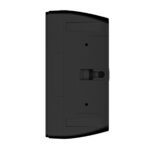
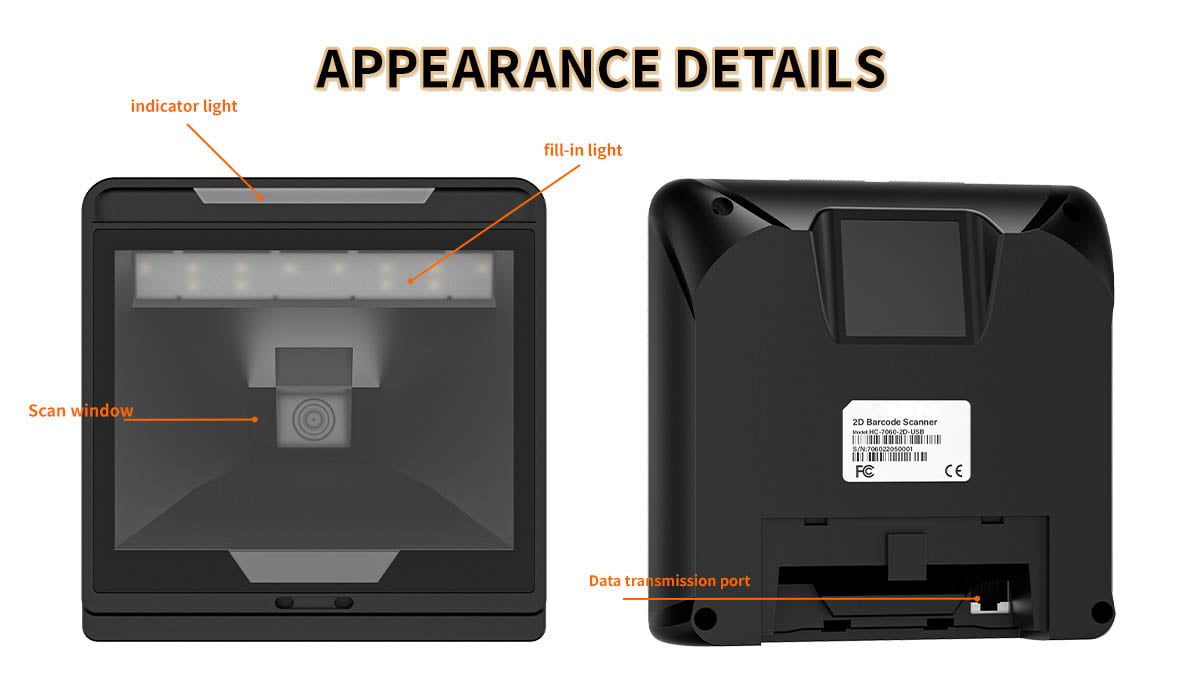
Most checkout lanes are cut, wired and mounted before anyone chooses a scanner. The counter height is fixed, the drawer is fixed, and what is left is a gap of about 150 mm between the terminal and the customer. The SN-HC7060 is built for that gap. It is 152 mm long, 76 mm wide and 153 mm tall, it sits on a base that rotates, and its window is tilted 6–10 degrees toward the shopper so a basket can be pushed past it rather than lifted up to it.
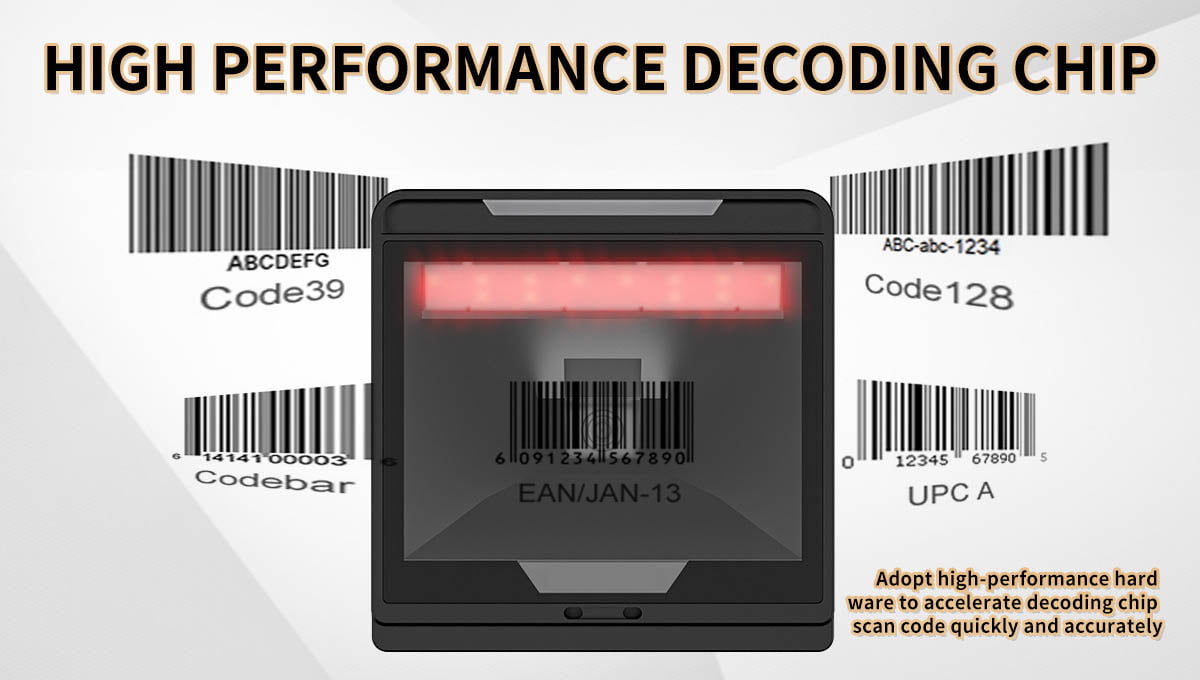
The imaging engine is a 1,280 × 1,024 CMOS sensor running at 60 frames per second. Resolution at that level is not really about reading an EAN-13 — any 640 × 480 imager does that. It is about the codes that arrive between the groceries: a PDF417 on a courier label, a Data Matrix on a parts bag, a QR code on a gift voucher or a loyalty card held at an angle. At 60 fps the reader gets a fresh frame every 16 ms, so a code that is only in the window for a moment still gets a clean capture.
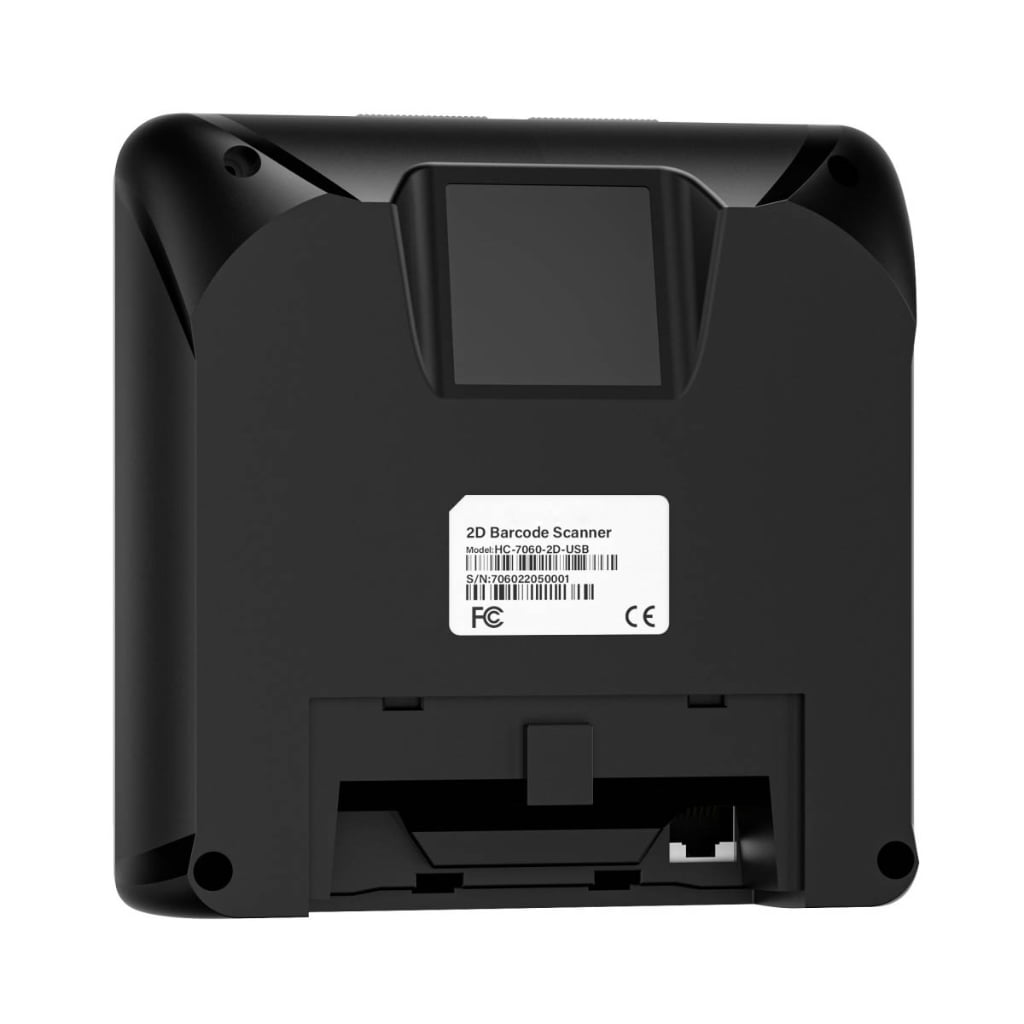
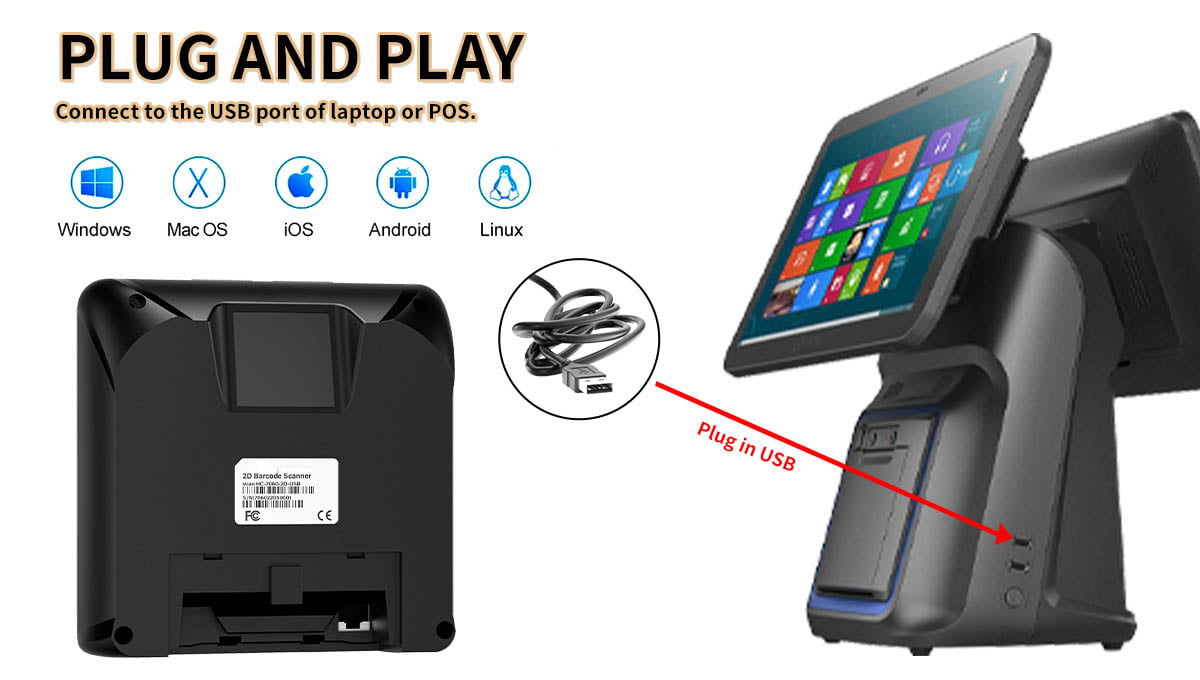
The unit is wired. A single 1.8 m straight cable carries both power and data, and the same hardware is configured at the factory as USB HID keyboard, USB virtual COM port or RS232. There is no battery to charge, no pairing step, and no radio to interfere with the store's own network.
Specifications that decide the fit
| Imager | CMOS, global exposure, 1,280 × 1,024 pixels |
|---|---|
| Frame rate | 60 fps |
| Field of view | 48° horizontal, 30° vertical |
| Scan angle | ±50° left/right, ±50° front/rear, 360° rotation |
| Motion tolerance | 2 m/s maximum |
| Minimum element | ≥ 4 mil (Code 39) |
| Print contrast | More than 25% |
| Depth of field | 0–200 mm at UPC/EAN 13 mil, PCS 90%; 0–150 mm at QR 20 mil, PCS 100% |
Reading volume, stated honestly
The useful read window is roughly a 200 mm cube in front of the glass for a standard retail label, and about 150 mm for a 20 mil QR code printed at full contrast. That is a presentation range, not an extended-range one. If the requirement is to read a label on a pallet three meters away, this is the wrong product; that is a different class of reader.
What it does well is the thing that actually happens at a till: the operator holds an item by one corner and rotates it in the air. With ±50° on both axes and full 360° rotation, an omni-directional pass works without the operator searching for the label orientation. The 2 m/s motion tolerance covers a normal sweep of a hand across the window; it will not cover a product thrown past at speed.
Symbologies
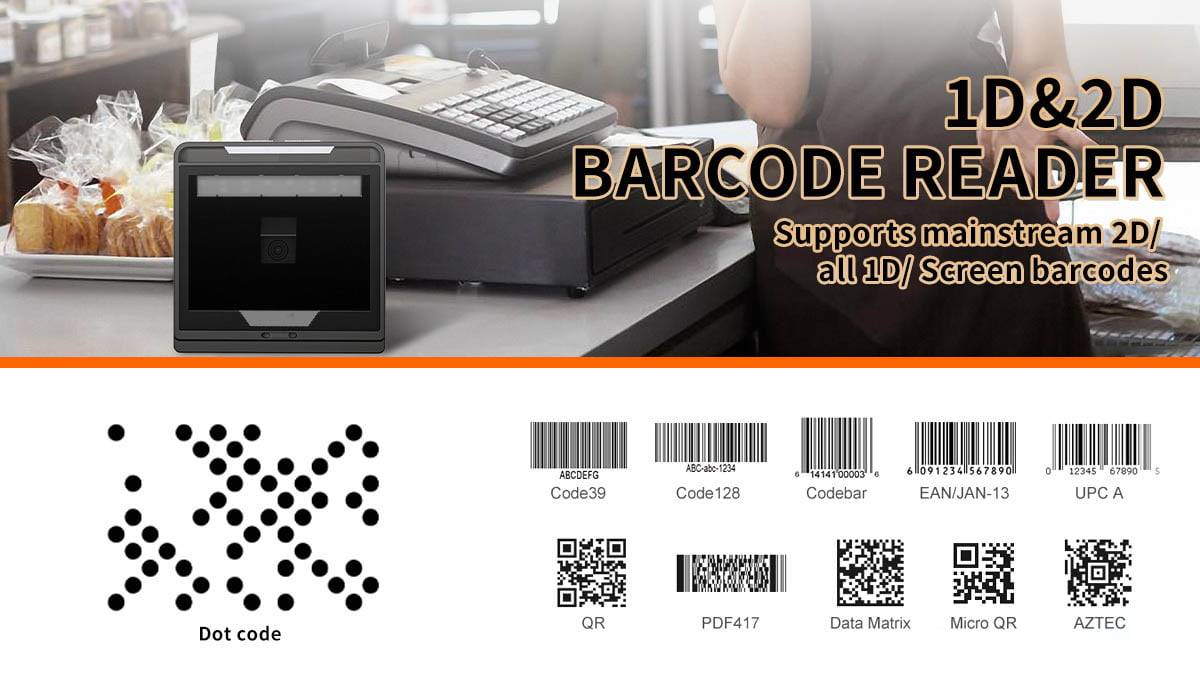
1D: UPC-A, UPC-E, EAN-8, EAN-13, JAN-8, JAN-13, ISBN, ISSN, Code 39 (with full ASCII), Codabar (NW7), Code 128, EAN-128, Code 93, Interleaved 2 of 5, Addendum 2 of 5, IATA, MSI/Plessey, China Postal Code, Code 32 (Italian Pharmacode), RSS-14, RSS-Limited, RSS-Expand.
2D: QR Code, Data Matrix, PDF417, Aztec, MaxiCode, GS1 DataBar stacked.
Screen-rendered codes are supported. Phones at low brightness and at full brightness both read, and so do the matte e-ink displays used on some voucher systems. What it will not read is a code behind cracked or heavily scratched glass, or a code printed on a curved surface at a sharp angle to the window.
Physical and electrical
| Dimensions | 152 × 76 × 153 mm (L × W × H) |
|---|---|
| Weight | 560 g including cable |
| Housing | ABS + PC |
| Input voltage | 5 VDC ±5% |
| Operating current | 400 mA typical |
| Cable | 1.8 m straight, USB or RS232 |
| Indicators | Blue LED and buzzer |
Because there is no separate power brick on the USB variants, the reader draws everything it needs from the host. At 400 mA it sits inside the 500 mA a standard USB 2.0 port will supply, which matters on terminals with a single spare port. On RS232 the cable carries a separate supply.
Environment and durability
| Operating temperature | −20 °C to +60 °C |
|---|---|
| Storage temperature | −40 °C to +70 °C |
| Humidity | 5% to 95% RH, non-condensing |
| Drop resistance | 2 m onto concrete |
| Ingress protection | IP52 — dust protected, dripping water |
| ESD | ±8 kV direct discharge |
| Ambient light | 0 to 100,000 lux |
IP52 is the honest rating to quote for a counter-mounted reader: it tolerates dust and the condensation that forms on a window near a chiller, and it survives a spill that is wiped up. It is not a wash-down rating. A reader that gets hosed down at the end of the night is a different purchase.
Interface behavior
In USB HID mode the reader presents itself as a keyboard and types the decoded data into whatever has focus. This is what makes it work with a POS application that was never designed to talk to a scanner, and it is how most single-lane installs go in. In USB virtual COM mode it presents a serial port and needs no driver on Windows 10 and 11, Linux, or recent Android. RS232 is the option for terminals that already have a DB9 port and expect one.
Switching between modes is a configuration barcode in the manual, not a firmware reflash, so a spare unit can be repurposed in the field.
Where it fits
- Supermarket and convenience lanes. The rotating base lets the window be aimed at the shopper rather than at the operator, so items come past the glass instead of being lifted to it.
- Pharmacy counters. Two code families in one pass — the EAN on the box and the Data Matrix used for batch traceability — without a second scan.
- Parcel and courier desks. PDF417 on the waybill reads at 60 fps, which is the difference between a queue and no queue at a busy drop-off point.
- Kiosks and self-checkout retrofits. The 152 mm width fits under a shelf lip where a handheld with a stand will not.
What it does not do
No battery, so no cordless operation. No wireless radio, so no Bluetooth pairing. No on-board display, so no way to read the last decoded value without looking at the host. And the 2 m motion tolerance is not an industrial conveyor rating — for a moving belt, look at a fixed-mount reader, not a desk unit.
Compliance and warranty
CE under EN 55032:2015 and EN 55035:2017, EN 62368-1:2014+A11:2017, RoHS, BIS, and FCC Part 15 Class B. Every unit ships with an individual test record. Warranty is 12 months, and firmware can be updated over the USB connection without returning the unit.
Ordering
SKU SN-HC7060. Interface is fixed at order: USB HID keyboard, USB virtual COM, or RS232. The rotating base and the 1.8 m cable are included; a longer cable is available as an option. MOQ 1 for evaluation, 10–15 day lead time on the standard configuration, OEM branding available from 50 units.
Product images
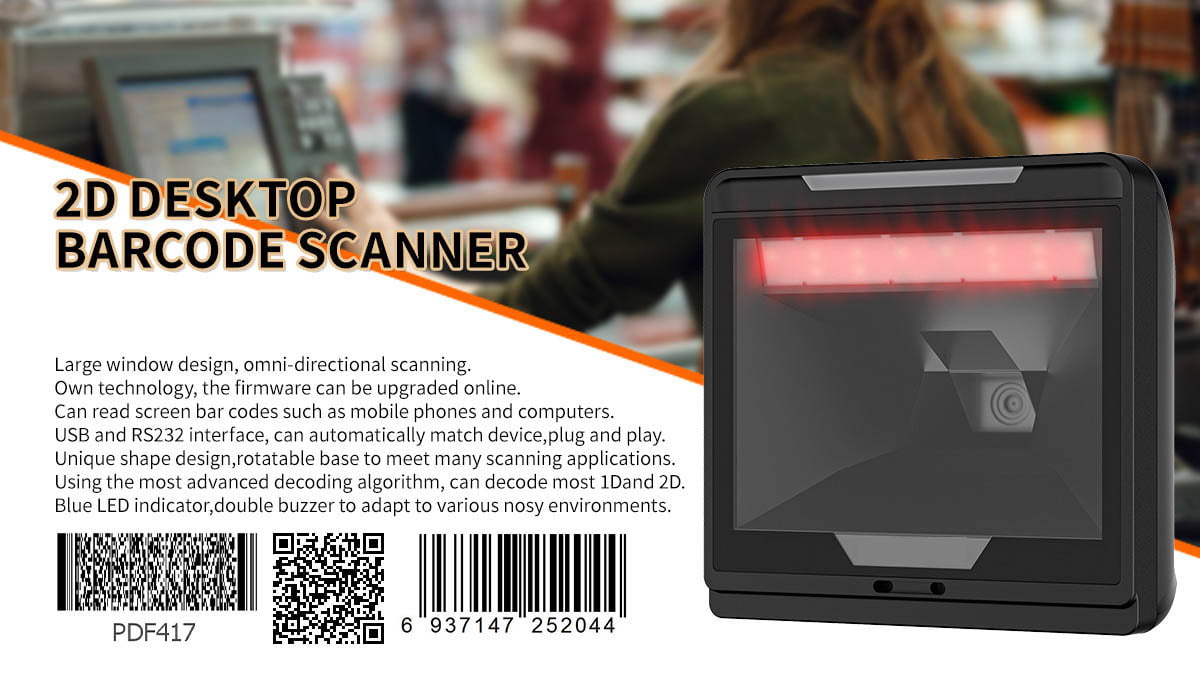
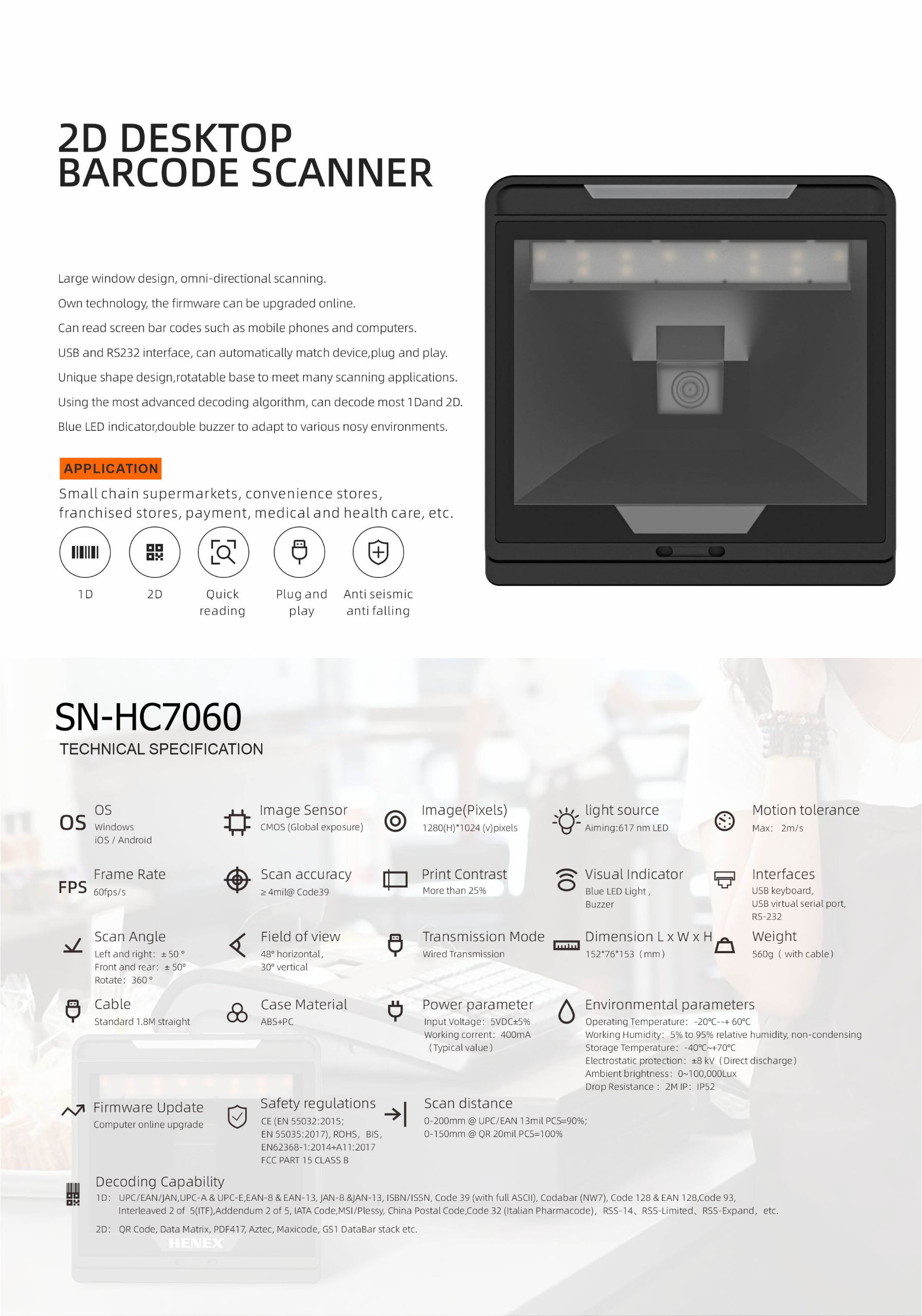
1,280 × 1,024 imager at 60 fps — a new frame every 16 ms
The imager is 1,280 × 1,024 and runs at 60 fps, so the decoder sees a new frame every 16 ms — four times the pixel count of a 640 × 480 engine and twice the frame rate, which is what stops a small code being captured mid-motion as a smear. Minimum element is 4 mil on Code 39. Redundant-code reconstruction covers a crease or a partial tear; a label missing a corner, or with more than roughly a fifth of its bars destroyed, is not recoverable by any reader in this class.
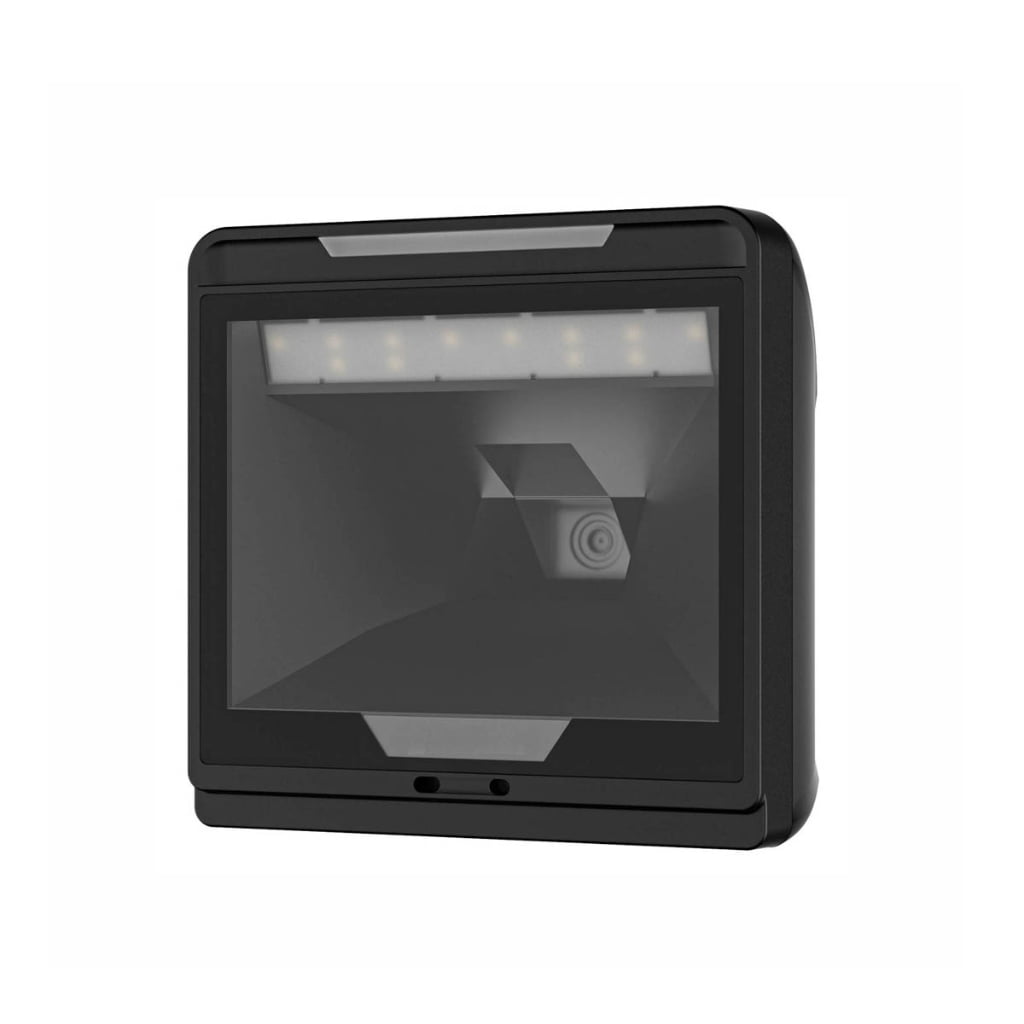
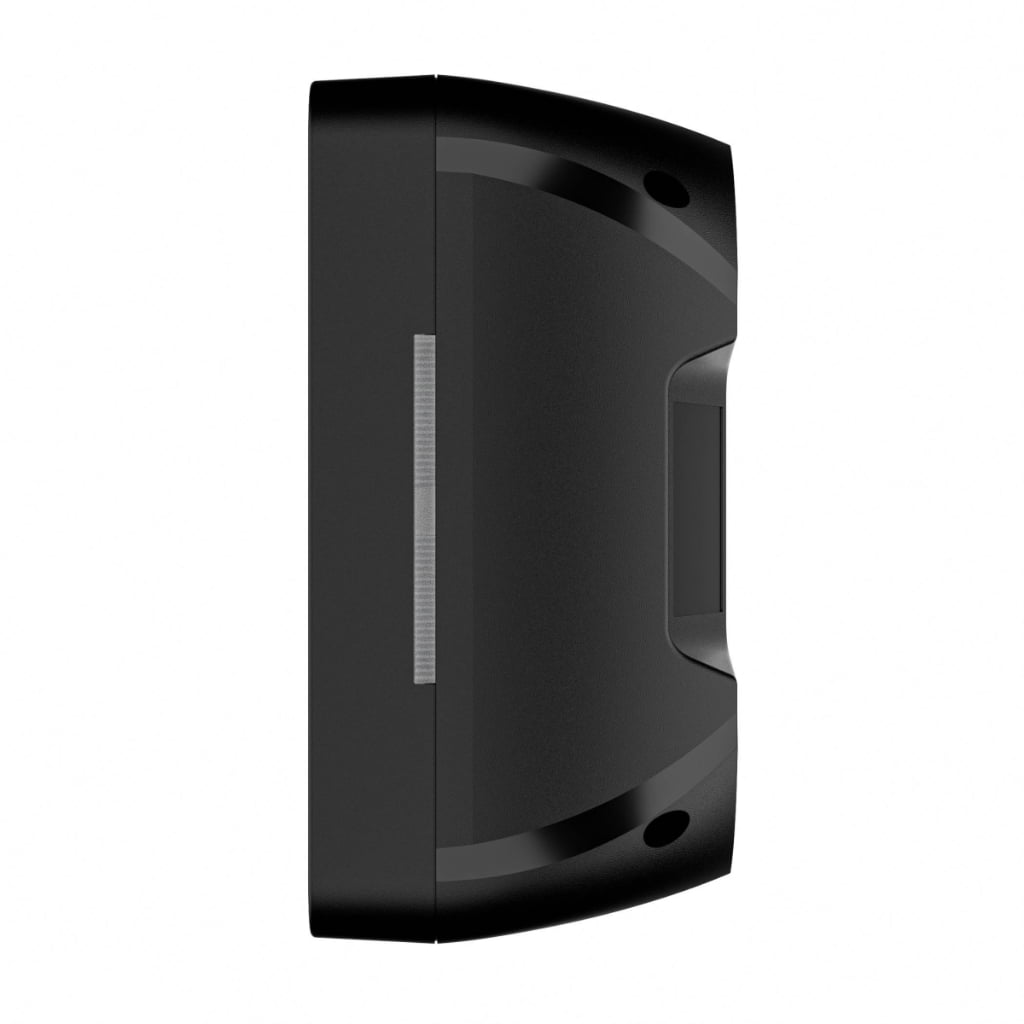
±50° on both axes with full 360° rotation, so orientation stops mattering
Rotation runs through a full circle and both axes tolerate ±50°, so a code presented sideways, upside down or from above still decodes — orientation stops being something the cashier manages. The rotation is detented rather than free, so the head holds the angle it was set to during scanning. Heavy vibration on a moving counter can still walk it out over time, and a set screw underneath fixes it permanently once the lane layout is final.
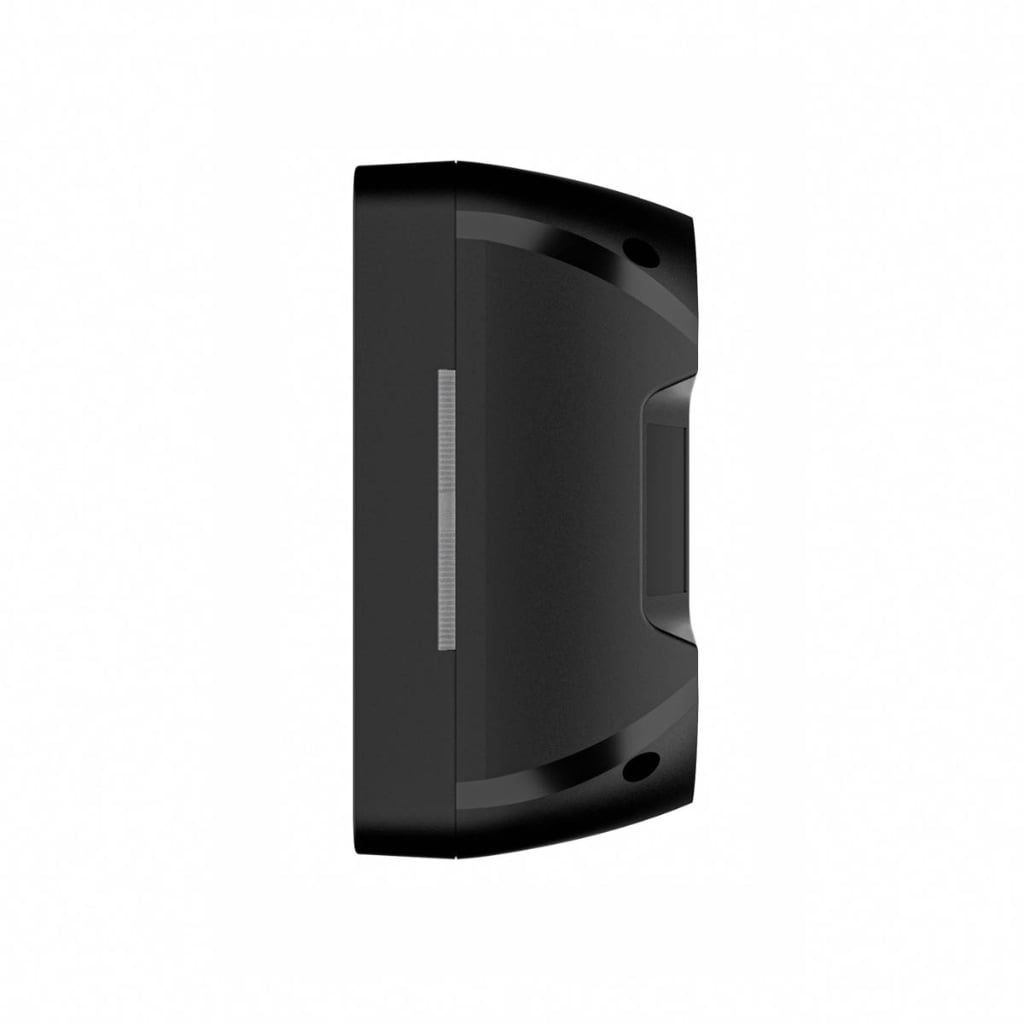
Rotating base tilted 6–10° toward the shopper; one cable for power and data
The base sets the window 6–10° toward the shopper, so a phone held out over the counter lands in frame rather than above it. One 1.8 m cable carries both power and data on USB, with RS232 on a DB9 where the host is a legacy terminal; HID needs no driver, and USB virtual COM is covered by the in-box CDC driver on Windows 10 and 11. Ambient light immunity reaches 100,000 lux, which covers a lane beside a shop window.
Technical Details
Full specifications, documentation, and customization options for engineering evaluation.
| Dimensions | 152 × 76 × 153 mm (L × W × H) |
|---|---|
| Material | ABS + PC |
| Barcode Scanner | 1D and 2D, 1,280 × 1,024 CMOS at 60 fps, ≥ 4 mil minimum element (Code 39); QR Code, Data Matrix, PDF417, Aztec, MaxiCode, GS1 DataBar stacked |
| Power Supply | 5 VDC ±5%, 400 mA typical |
| Environment | Operating −20 °C to +60 °C; storage −40 °C to +70 °C; 5–95% RH non-condensing; IP52; 2 m drop; ESD ±8 kV direct discharge |
Frequently Asked Questions
Common inquiries from retailers, system integrators, and procurement teams.
Can the base be locked so the angle does not drift?
Yes. The rotation is detented rather than free, so it holds its angle during normal scanning. Heavy vibration on a moving counter can still walk it out over time; a set screw underneath fixes it permanently once the lane layout is final.
Will it read a code on a phone screen in direct sunlight?
Yes, up to the 100,000 lux ambient limit. The harder case is a phone at minimum brightness next to a bright window — reducing the ambient light is usually more effective than changing the reader.
Does it need a driver on Windows?
No. USB HID needs nothing, and USB virtual COM is covered by the in-box CDC driver on Windows 10 and 11. Legacy Windows 7 installations need the vendor driver, which we supply.
What happens if a label is damaged?
Redundant-code reconstruction handles a crease or a partial tear. A label missing a corner, or with more than roughly a fifth of its bars destroyed, is not recoverable by any reader in this class.
Request a Quote for
SN-HC7060 Omnidirectional POS Reader
Our engineering team comes back with volume pricing, OEM options and lead time within one business day.
- Response within 24 hours
- NDA available for enterprise projects
- Free developer sample for qualified integrators
Synchronize Your Retail Ecosystem
Pair this terminal with dedicated peripherals for a fully integrated, single-vendor smart store deployment.