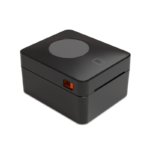
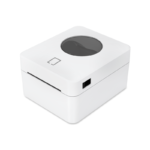
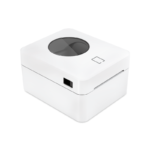
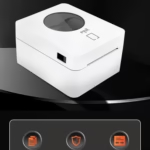
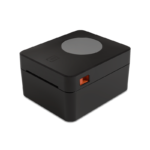
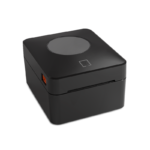
SN-LP9250 4 Inch Desktop Label Thermal Printer
Retail hardware specified for the work it actually does.
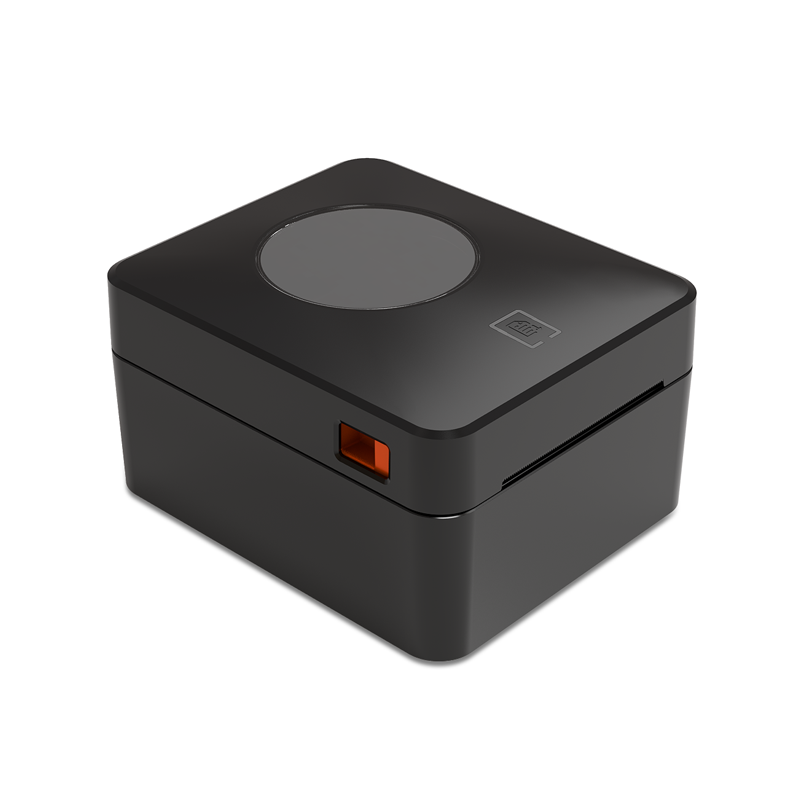
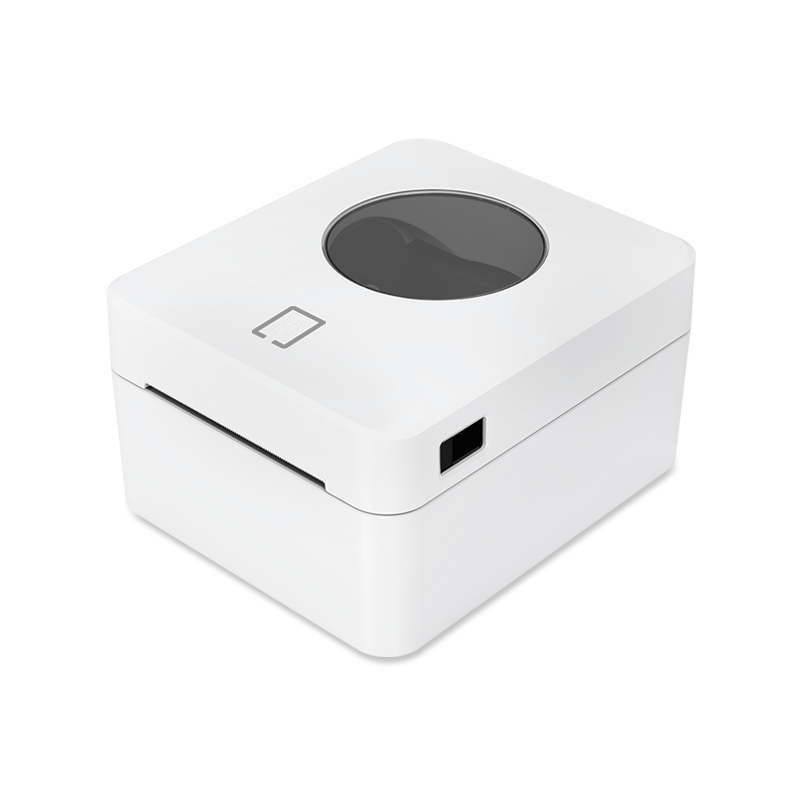
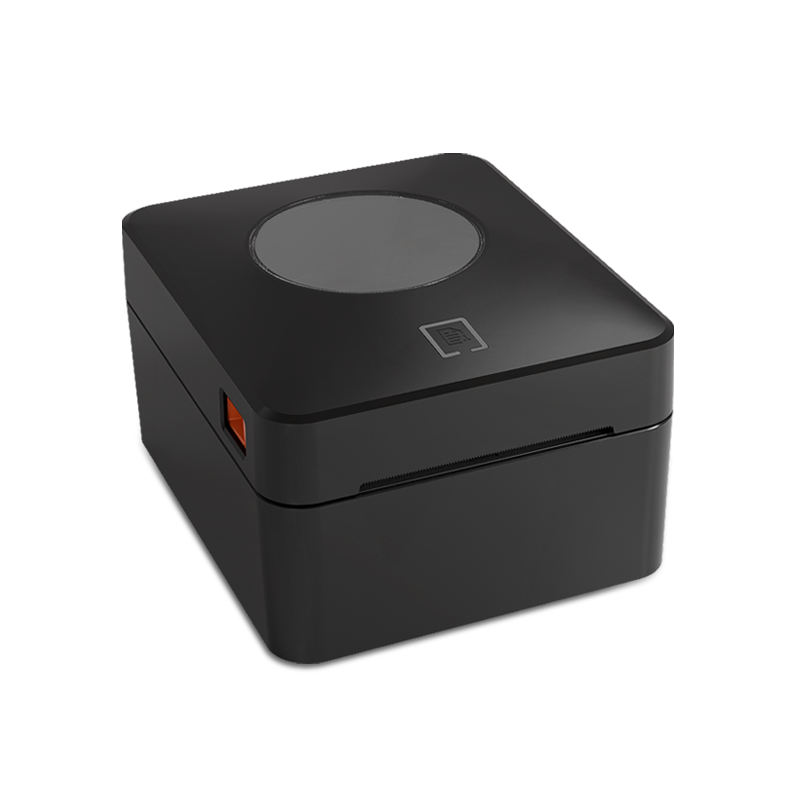
Retail shelf-label and price-tag printer with an adjustable 25–100 mm print width: 203 dpi, 160 mm/s, stock up to 104 mm and 0.06–0.30 mm thick. Auto paper positioning plus gap, black-mark, cover and paper-exit sensors mean the roll indexes itself, so a price change does not become a re-alignment job. A built-in paper bin takes standard rolls and a second entrance takes larger ones, so a busy store can keep the big roll loaded and still run a short batch of tags. TSPL, CPCL and ESC/POS cover the label software most chains already run.
- MOQ 1 with 10–15 day lead time on stock models
- Spec sheets and SDK released before the order
- 12-month warranty, OEM branding available on volume orders
- SKU
- SQN-SN-LP9250-4-
- Availability
- In Stock
- Lead Time
- 10-15 business days
- Warranty
- 12 months standard
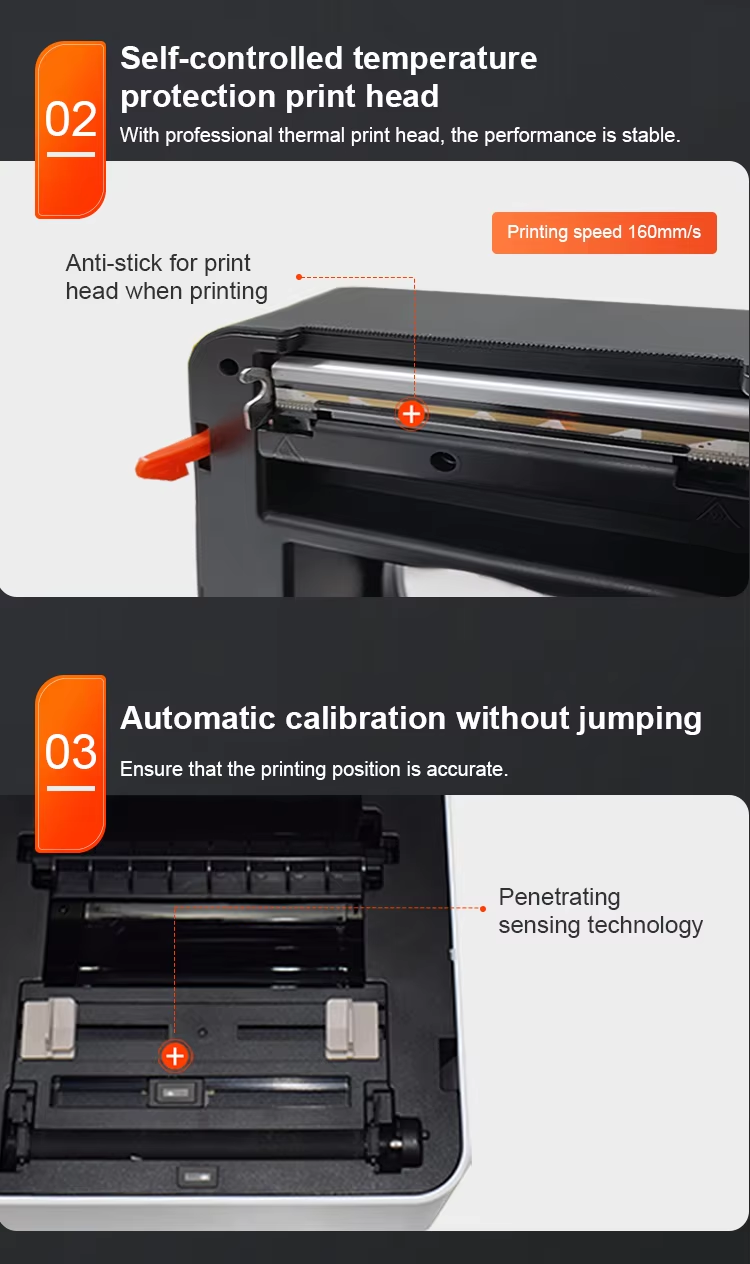
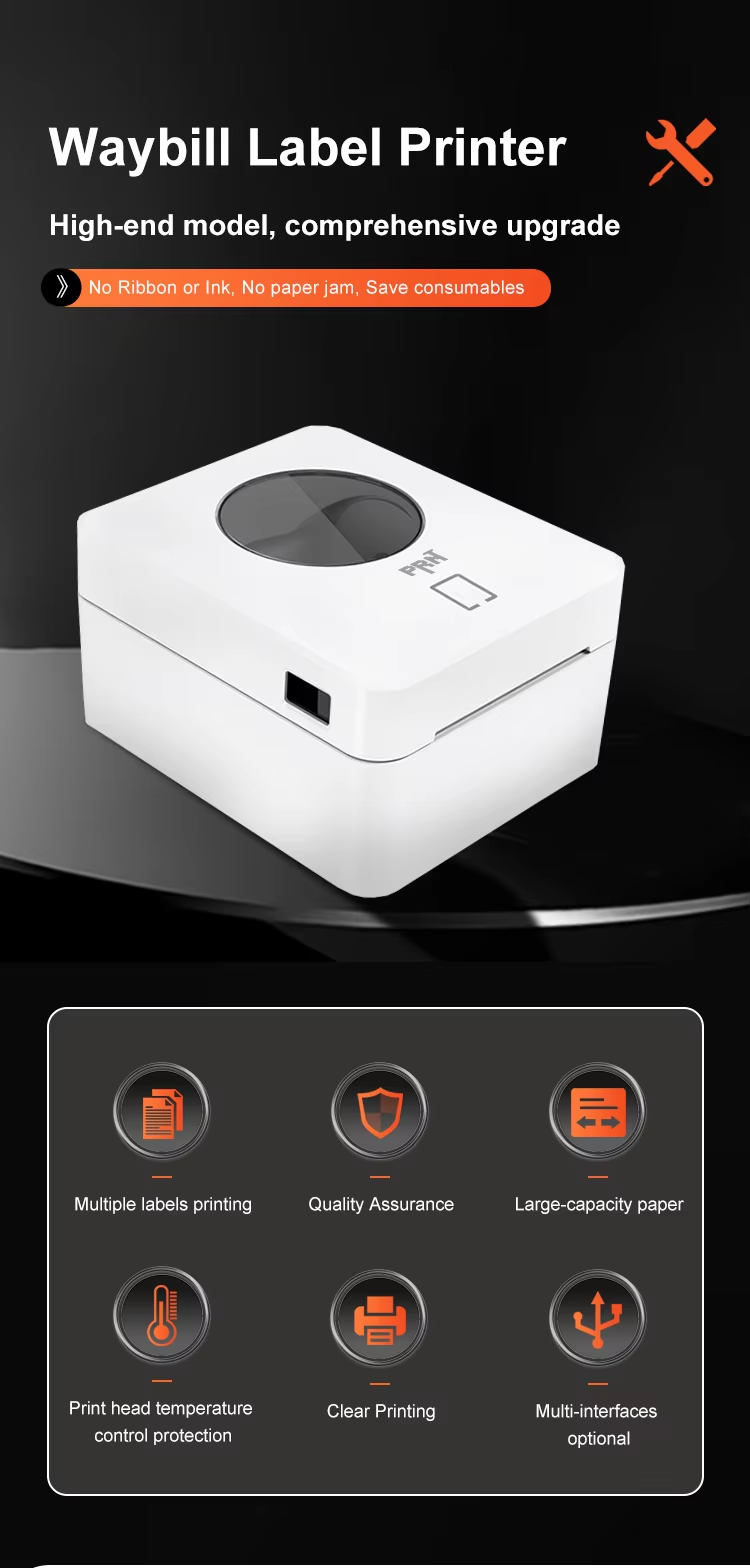
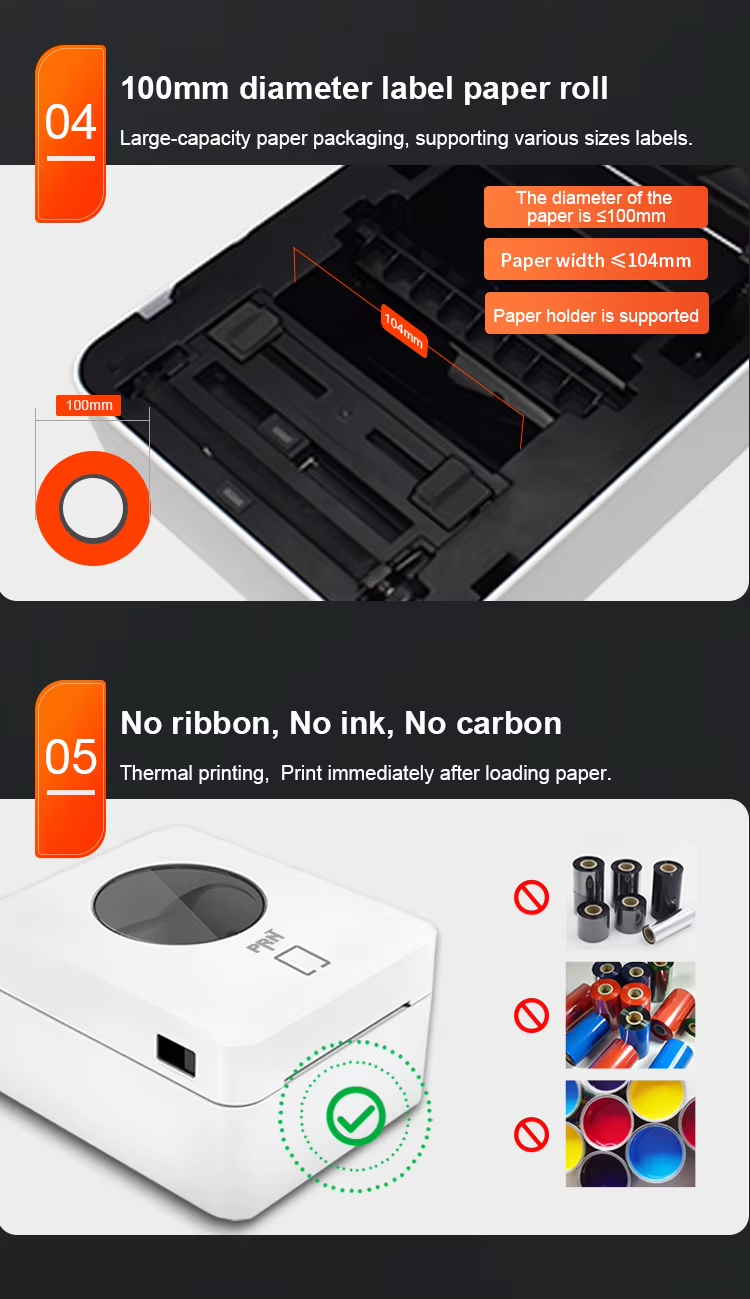
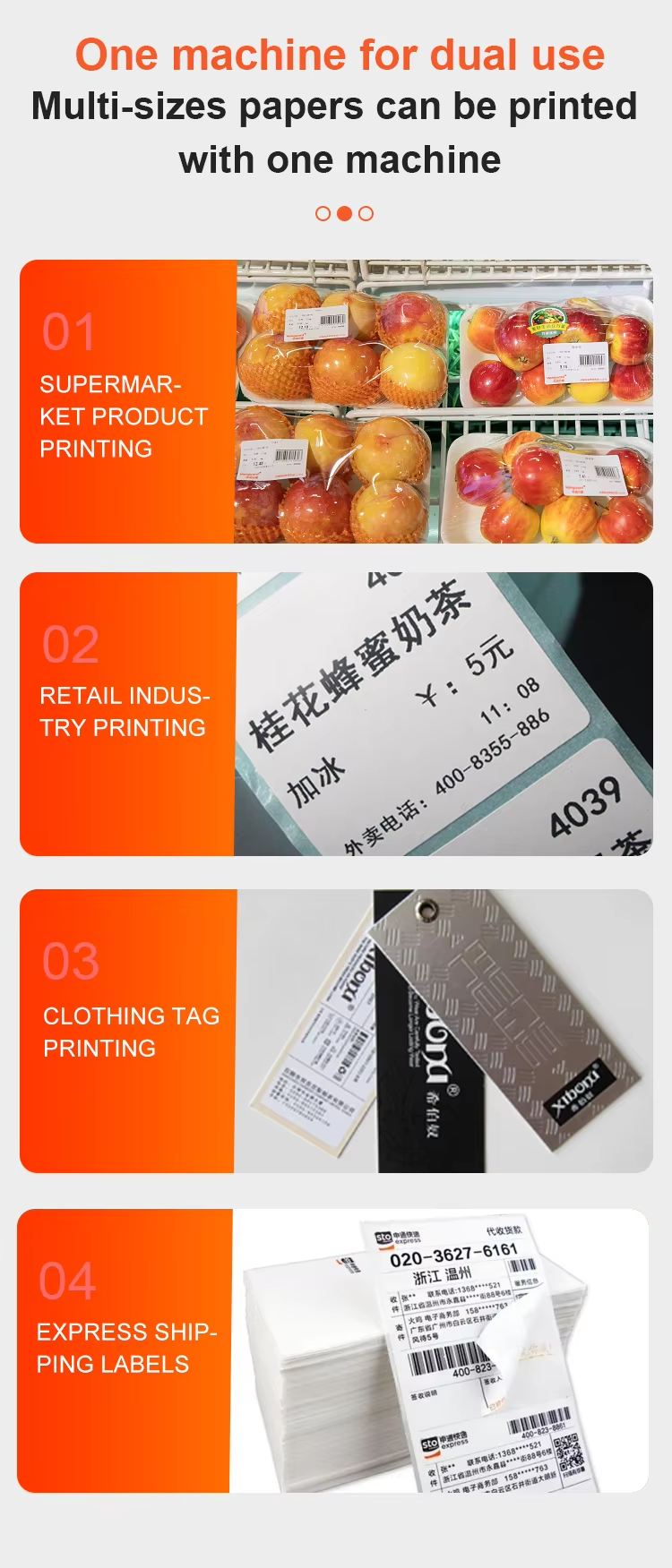
160 mm/s with a 50 km head — and a window onto the roll
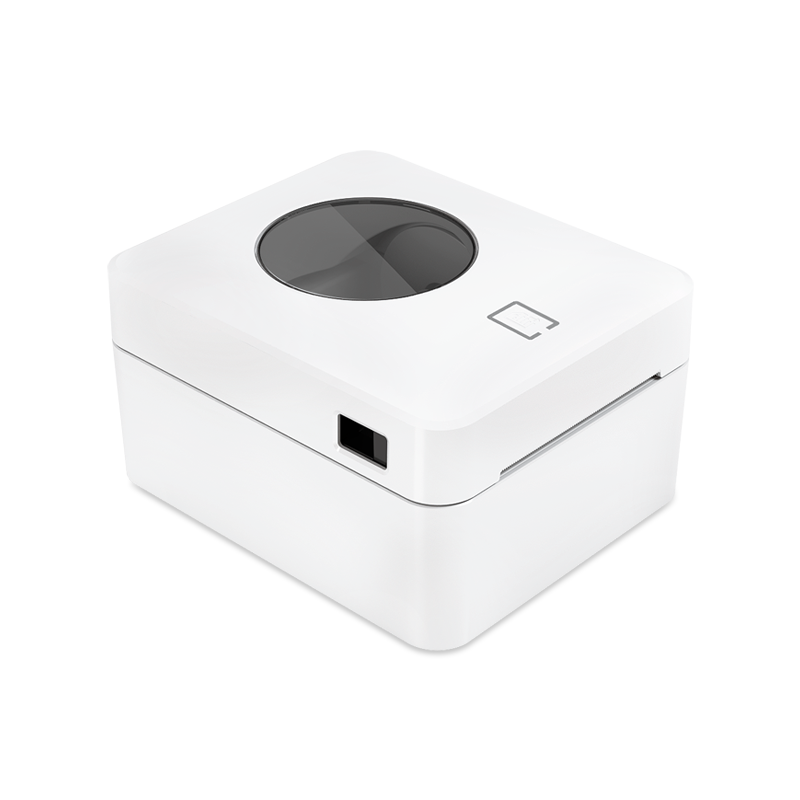
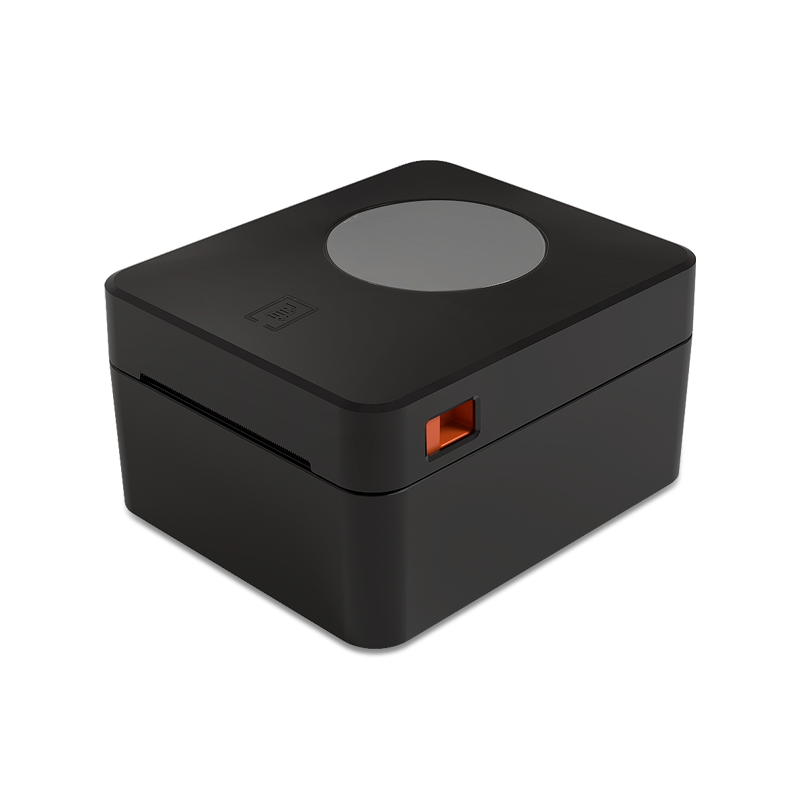
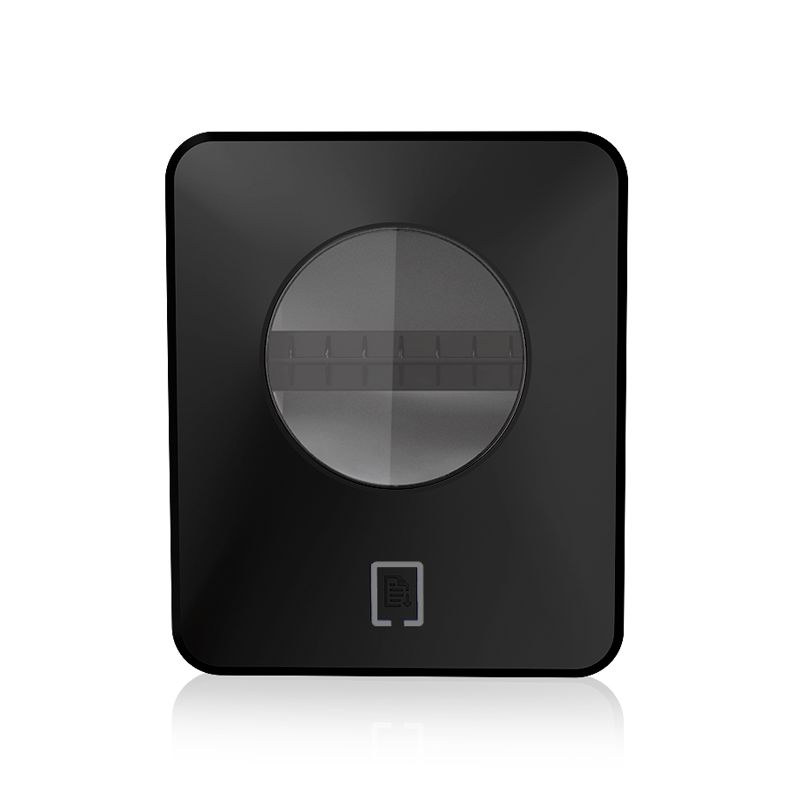
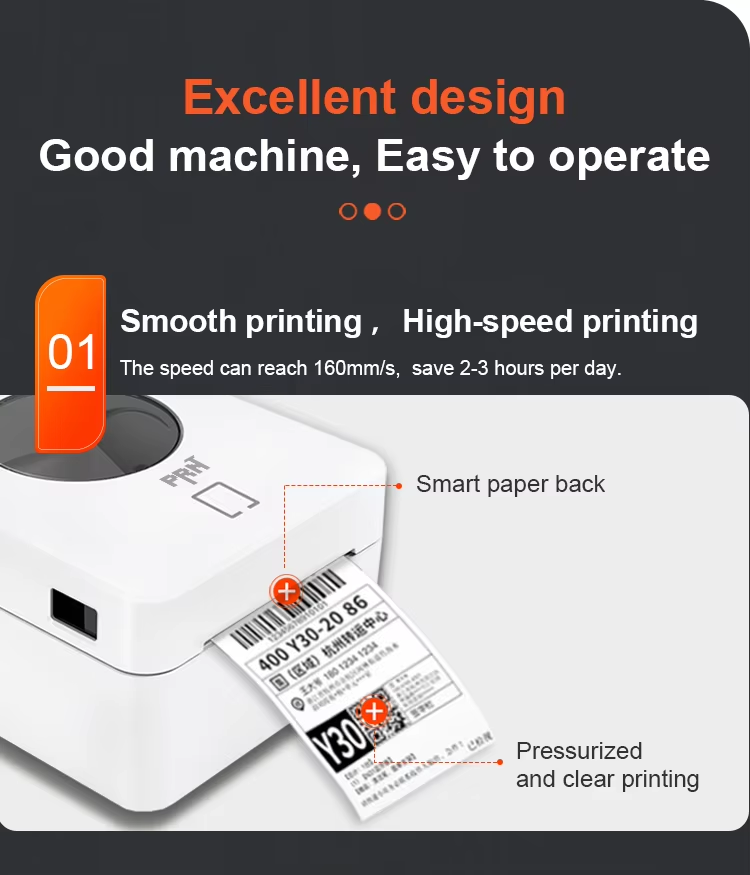
It prints at 160 mm/s at 203 dpi and the head is rated for 50 km of paper. That 50 km figure is the one that decides a two-shift deployment: at a heavy 15 m a day it is years of service, at 500 m a day it becomes a replacement part and belongs in the spares budget. A smoked window over the roll shows the paper running out before the queue finds out.
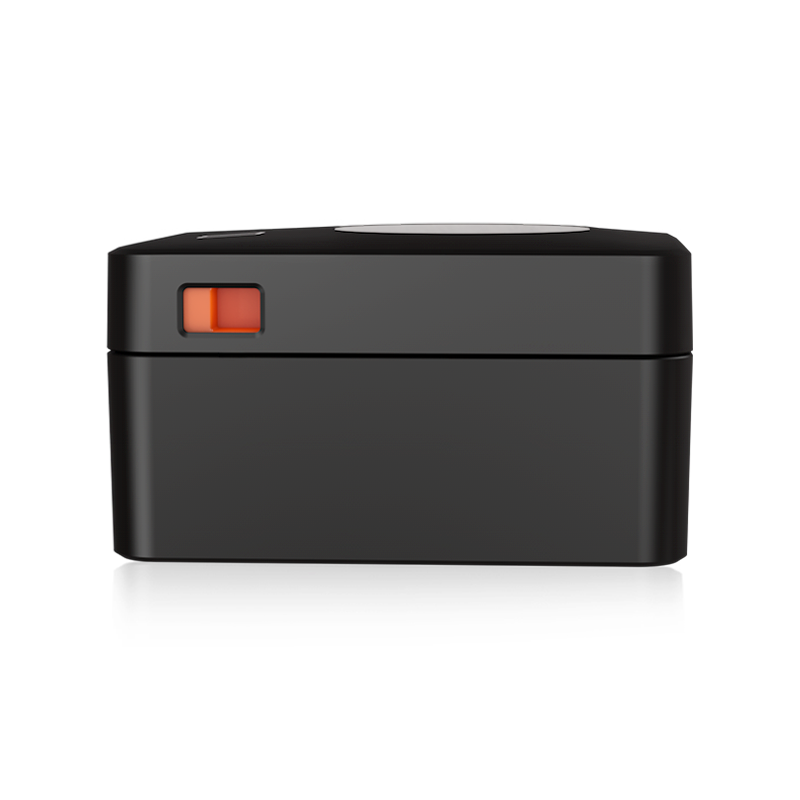
25 to 100 mm of print width on a single machine
This is the argument for standardising on it: one unit covers a 25 mm shelf-edge label and a 100 mm shipping label, on stock from 0.06 to 0.30 mm, and it runs continuous, gap, black-mark, fan-fold and punched stock. A counter that prints three label sizes currently needs three printers, three power supplies and three sets of spares.
USB, LAN, Bluetooth, WiFi — on a 24 V supply that holds the speed
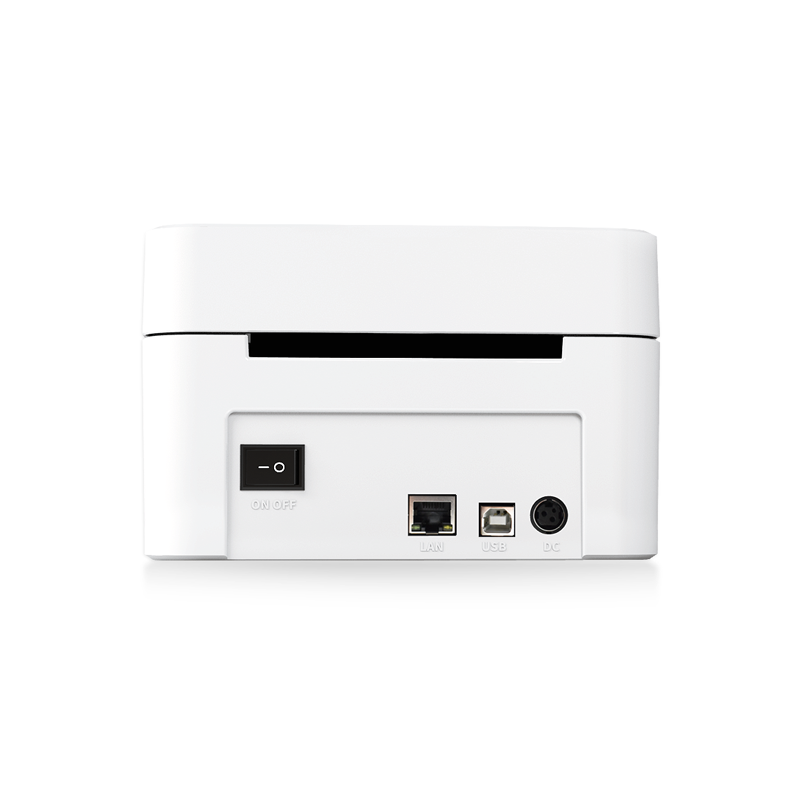
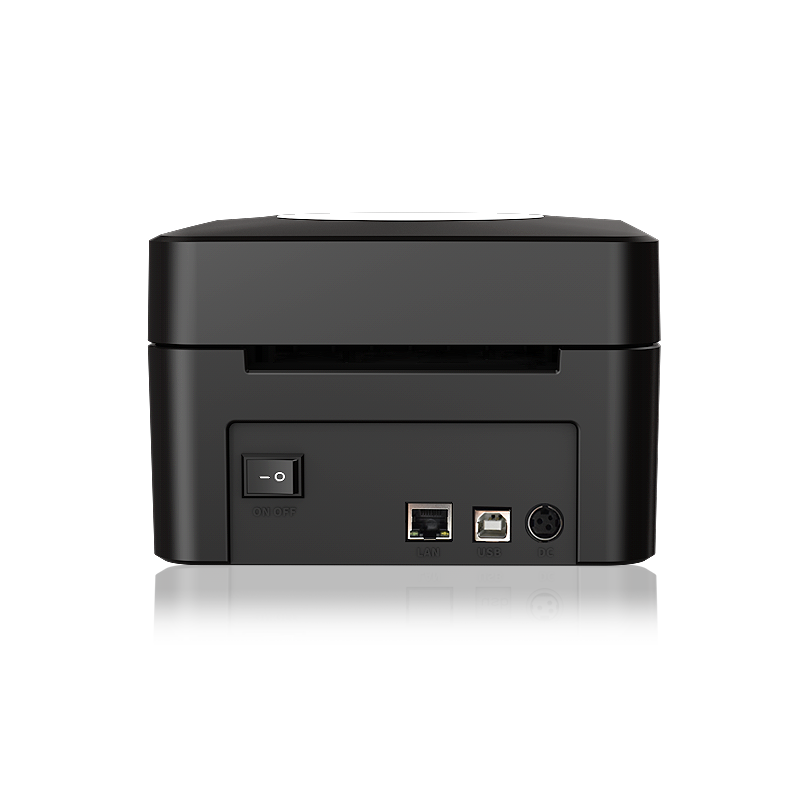
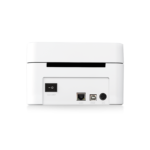
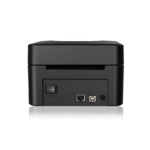
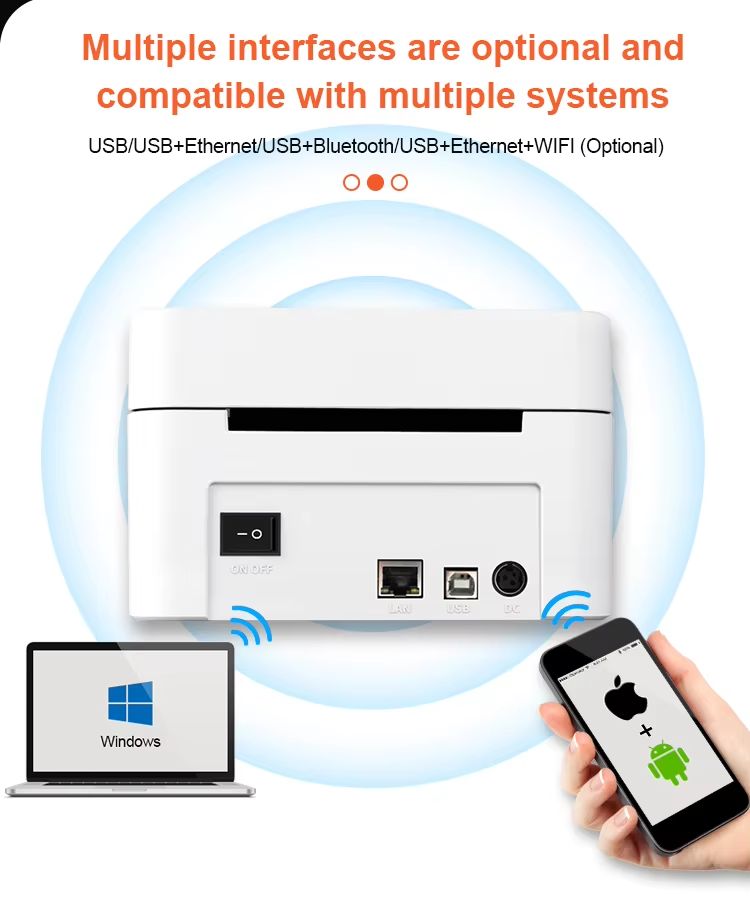
USB and LAN are standard, Bluetooth and WiFi optional, and it prints from Android, iOS, macOS and Windows — a phone on a free app, a tablet, or a counter PC, with no driver hunt. The supply is 24 V at 2.5 A from a 100–240 V input, and that headroom is what lets the unit hold 160 mm/s on dense labels instead of throttling back the way a 5 V or 9 V machine does. Four sensors watch gap, cover opening, black mark and paper exit, and auto positioning registers the label before the first line prints.
Technical Details
Full specifications, documentation, and customization options for engineering evaluation.
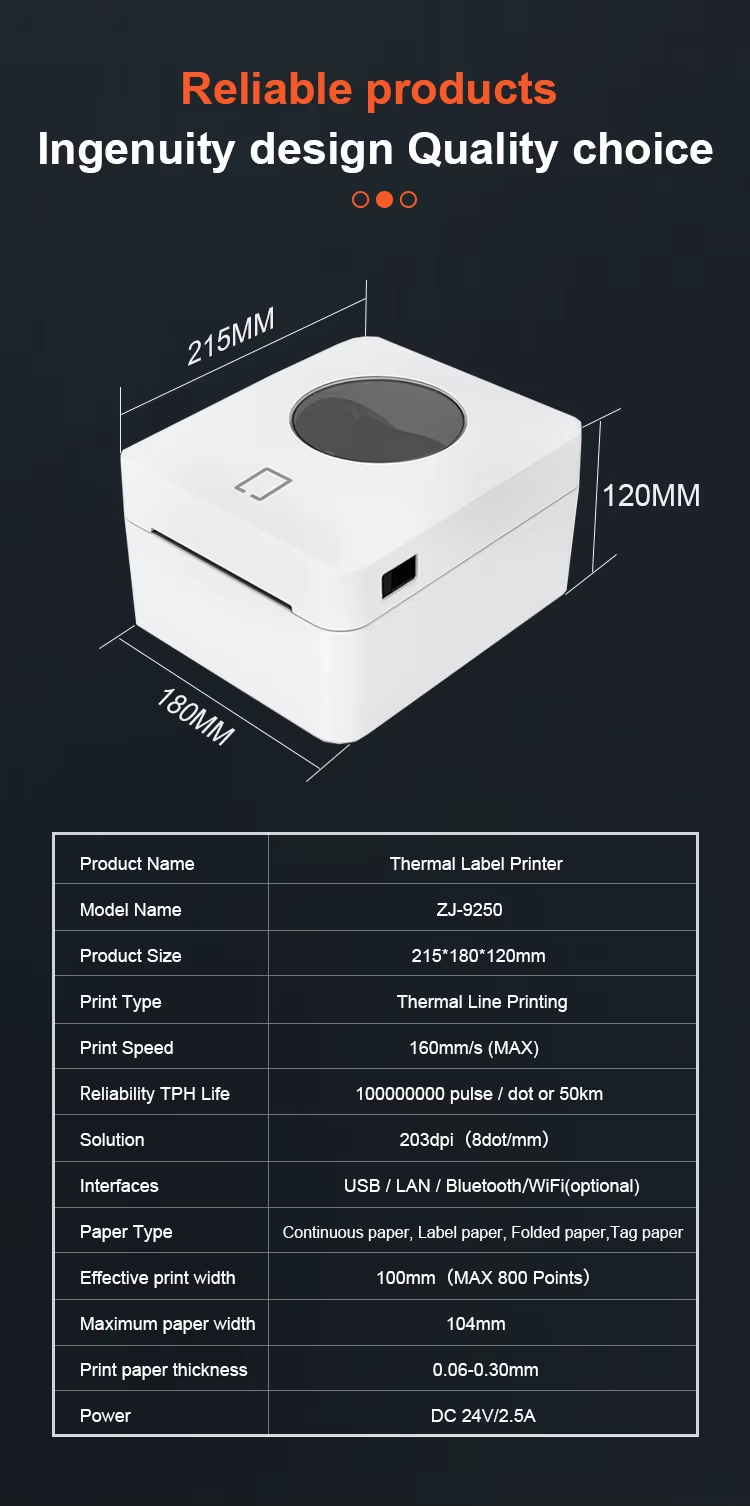
| Dimensions | 215 × 180 × 115 mm |
|---|---|
| Integrated Printer | Direct line thermal; 160 mm/s; 203 dpi; TPH life 50 km; print width 25–100 mm; stock up to 104 mm, 0.06–0.30 mm; continuous, gap, black mark, fan-fold and punched stock; gap / cover opening / black mark / paper exit sensors; auto paper positioning; built-in paper bin plus an external paper entrance for larger rolls; TSPL / CPCL / ESC/POS |
| Power Supply | AC 100–240 V, 50–60 Hz input; DC 24 V / 2.5 A output |
| Environment | Operating 0–50 °C, 20–85% RH non-condensing |
Frequently Asked Questions
Common inquiries from retailers, system integrators, and procurement teams.
What label sizes does SN-LP9250 support?
SN-LP9250 supports labels from small formats up to 104mm maximum paper width.
Can SN-LP9250 print shipping labels?
Yes. It is suitable for shipping labels, warehouse labels and logistics applications.
Does SN-LP9250 support Bluetooth and WiFi?
Yes. Bluetooth and WiFi are available as optional interfaces.
Which software commands are supported?
It supports TSPL, CPCL and ESC/POS printing commands.
Can it work with Android devices?
Yes. It supports Android and iOS mobile systems.
Does TillNode provide OEM customization?
Yes. OEM logo, customized firmware, packaging and hardware solutions are available.
Request a Quote for
SN-LP9250 4 Inch Desktop Label Thermal Printer
Our engineering team comes back with volume pricing, OEM options and lead time within one business day.
- Response within 24 hours
- NDA available for enterprise projects
- Free developer sample for qualified integrators
Synchronize Your Retail Ecosystem
Pair this terminal with dedicated peripherals for a fully integrated, single-vendor smart store deployment.