EPOS and POS mean the same thing, and the difference is not technical. Both expand to point of sale. The extra letter in EPOS marks a market rather than a capability: British and Irish buyers say EPOS where American buyers say POS, and the two words have drifted into slightly different scopes. In British usage an EPOS system usually means the whole installed checkout, hardware included. In American usage POS more often means the software, or the terminal alone, with everything else listed as peripherals.
That single difference is worth understanding before a quotation is written, because it decides what a seller thinks they have been asked to include. The rest of this page separates the two words, shows that the hardware underneath is the same list, and ends on the one thing that actually changes a specification: which parts the quote names.
The short answer
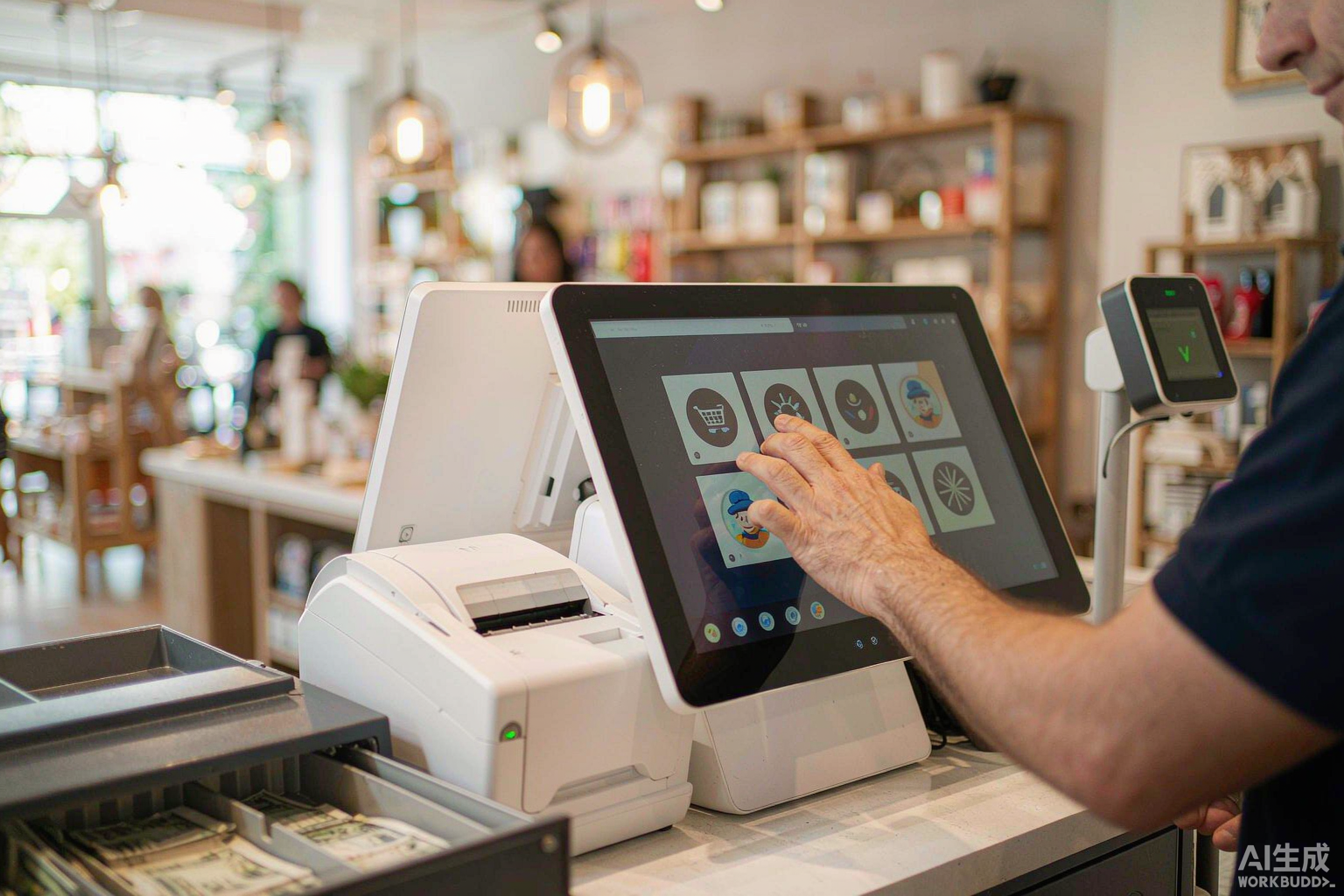
EPOS is the British and Irish term for a checkout system, and it almost always covers the installed equipment. POS is the American and international term, and it is used at three different levels: the software, the terminal, or the whole system. Neither word describes a different product. A UK buyer asking for an EPOS system and a US buyer asking for a POS system are usually asking for the same six components with different words on the purchase order.
| Term | Where it is the default | What it usually includes |
|---|---|---|
| EPOS | UK, Ireland | The installed system: software, terminal, printer, drawer, scanner |
| EPOS system | UK, Ireland | The same, quoted as one package with installation |
| POS | US, Canada, most export markets | Ambiguous: software, terminal, or system |
| POS system | US and international | Software license plus a hardware list |
| POS terminal | Everywhere | The screen or unit on the counter, nothing else |
| EFTPOS | Australia, New Zealand | Card payment at the point of sale, not the till hardware |
Why the E in EPOS stopped meaning anything
When the acronym was coined, electronic was the distinguishing word. A register was mechanical, with a lever, a bell and a printed paper tape, and an electronic point of sale was a different class of machine. That distinction disappeared decades ago. Every point of sale in production today is electronic, including the cheapest handheld, so the E carries no specification weight at all.
What it does carry is a date and a market. EPOS sounds like the 1980s British retail trade press, because that is where it comes from, and it survived in the UK and Ireland while the rest of the world shortened to POS. If you are writing for a British audience, EPOS reads as normal and POS reads as American. If you are writing for an export buyer in Dubai, Singapore or Mexico, POS is the safer default and EPOS may need explaining.
Four things POS can mean in one email thread
This is the practical problem with the American term. It sits at four levels, and a supplier who answers at the wrong level wastes a week.
| Sense | Example | Question that resolves it |
|---|---|---|
| The software | We need a POS that handles split payments | Which application, and on what hardware does it run? |
| The terminal | We need forty POS units for the new stores | Terminal only, or terminal plus printer and drawer? |
| The whole system | We are replacing our POS across the estate | Software, hardware, installation and payment, or hardware only? |
| The category | Who are the POS vendors in this region? | Nothing. It is a market label, not a purchase |
EPOS avoids most of this ambiguity by being the narrower term in practice. A British buyer who says EPOS system nearly always means the installed equipment, and the software is named separately, often by product. That is why UK tender documents are easier to answer line by line than US ones.
The hardware is the same list under either name
Six slots, and the same six whether the document says EPOS or POS. Only the column headings change.
| Slot | UK document calls it | US document calls it | On the lane by default |
|---|---|---|---|
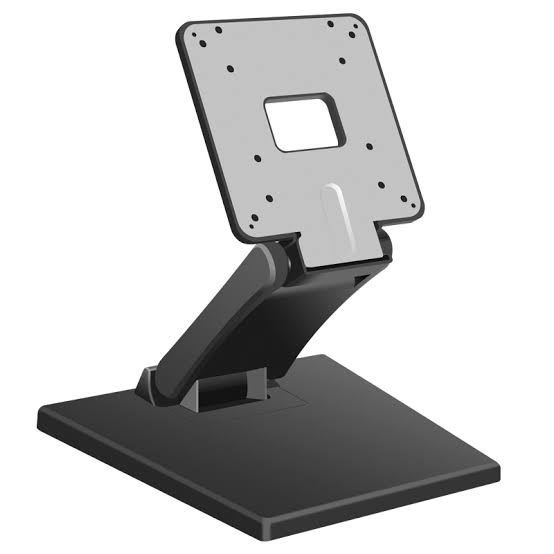
| The unit on the counter | EPOS terminal, till | POS terminal, register | Yes |
| Receipt printing | Receipt printer, till printer | Receipt printer | Yes, unless built into the terminal |
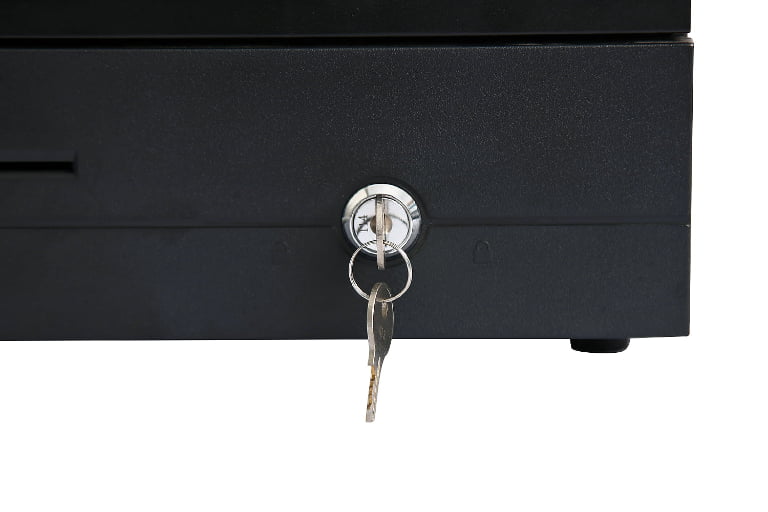
| Cash storage | Till drawer, cash drawer | Cash drawer, register drawer | Yes for any lane that takes cash |
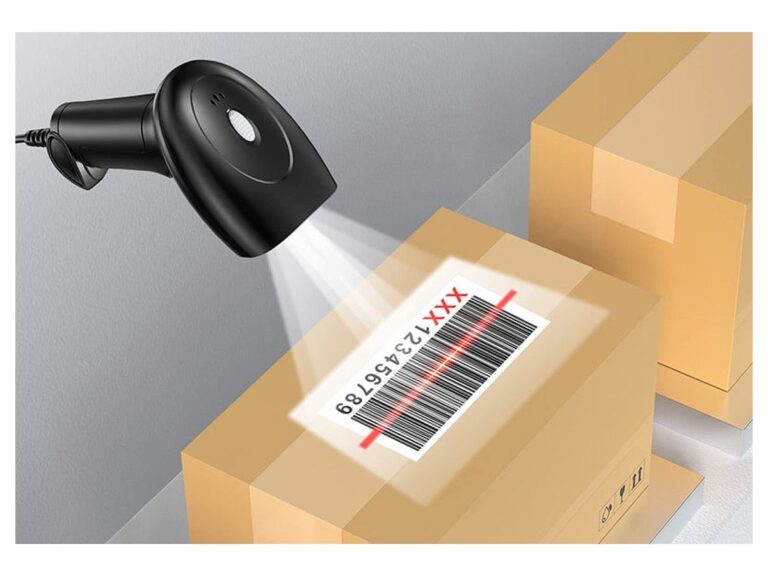
| Item capture | Scanner, barcode reader | Barcode scanner | Yes in grocery and retail, no in hospitality |
| Customer-facing screen | Customer display, pole display | Customer display | Optional |
| Card payment | Integrated card payment, PDQ | Payment terminal, PIN pad | Almost always a separate contract |
Nothing in that table is different hardware. A till drawer and a cash drawer are the same steel box with an RJ11 lead. What changes is what a supplier assumes is already in the price. In a US quotation, the terminal is the quote and the drawer is an add-on line. In a UK quotation, an EPOS system that arrives without a drawer is an incomplete delivery, and the buyer will say so.
Two configurations, priced in sockets
Regardless of which word is used, the counter decides the configuration. Two of our terminals show why the decision is made at the socket level rather than the software level. Which board sits behind those sockets is a separate question, and choosing between a Windows and an Android board is where it gets settled.
The SN-C20 is a terminal with no printer inside it. It carries six USB ports split between USB 3.0 and USB 2.0, one RS-232 configurable to three, a gigabit LAN port, and a single RJ11 drawer port, on a 12 V 5 A adapter. A lane built on it needs a separate receipt printer, which in turn means a second power socket and a second cable run.
The SN-W50 is the same class of terminal with a thermal printer built in, 58 mm or 80 mm depending on the order, printing at 160 mm per second with an integrated auto-cutter, on a 12 V 7 A adapter. One socket, one mains lead, and the drawer cable goes to the terminal rather than to a printer that is not there.
Everything else on the lane behaves identically in both cases: the drawer takes no power of its own, the scanner runs from the USB bus, and a USB customer display draws from the host. The full slot-by-slot breakdown, including the interface each component presents, is in our EPOS system hardware list.
Where the word changes the paperwork
Tender compliance
A public-sector tender from a UK council will ask for an EPOS system and expect the hardware to be listed. A US or international RFP will ask for a POS solution and may accept a software line with hardware as an option. Answering a UK tender with a software-shaped response, or a US RFP with a hardware bundle the buyer did not budget for, are both avoidable losses. The fix is to read which noun the document uses and price at that level.
Warranty and spares
Component names travel into the service contract. A spare-parts schedule written for a UK customer should say till drawer, and the same schedule for a US customer should say cash drawer, or the buyer will search for the wrong line and conclude the part is not offered. The naming difference costs nothing to get right and creates support tickets when it is wrong.
The recurring line
An EPOS quote from a systems vendor usually bundles a software subscription or a support contract, and the hardware is a small share of the total. A hardware-only quote is then compared against a system price that includes three years of software, and it looks either very cheap or, to a buyer who has read the specification carefully, like something is missing. When two quotes differ by a factor of three, the difference is almost never the terminal. It is the list of lines that one quote has and the other does not, and the acronym on the cover is the first hint of which list you are looking at.
Search behavior
Buyers search in their own vocabulary. A store manager in Manchester types EPOS till, and an operations manager in Ohio types POS system. A supplier who publishes only under one word is invisible to half the market, which is why this site uses both and cross-links them rather than picking a side. The word itself is covered in more detail in what an EPOS till actually means.
What to write in a request, by audience
| If you are | Write this | Because |
|---|---|---|
| A UK or Irish retailer | EPOS system, hardware and installation, line-item list required | The supplier will assume hardware is included, so make the list explicit |
| A US or Canadian retailer | POS terminals, quantity, plus separate lines for printer and drawer | The default quote is terminal-only |
| An integrator writing a BOM | POS system, with slots named by function rather than by brand | Function names survive a change of supplier |
| A distributor covering both markets | State the market on the enquiry, not just the country | It decides whether the answer arrives as a system or a terminal |
What to put on the enquiry so the acronym stops mattering
The ambiguity is cheap to remove. Six lines in the enquiry do it, and they work whether the reply arrives headed EPOS or POS.
- Name the level you are buying at. Software, terminal, or the installed system. One sentence, placed above the specification rather than buried in it.
- List the slots you expect in the price. Terminal, printer, drawer, scanner, customer display. A supplier who has to tick five boxes cannot quietly leave one out.
- Say whether payment is in scope. Card terminals come from an acquirer in most markets, and a quote that includes one is quoting for something the buyer may already have.
- Say whether installation is in scope. A UK EPOS system usually includes commissioning, which is why it reads as an equipment package. A US POS quote usually does not.
- Fix the paper width and the drawer format. These are the two hardware choices that cannot be changed after delivery without replacing a unit, and they are also the two most often left to the supplier.
- Ask for the recurring lines separately. Software subscription, support and freight should sit on their own lines so that two quotes can be compared on the same basis.
The terms themselves then stop mattering. A quote that answers those six lines is comparable with any other quote that answers them, whatever its cover page says.
Where to go next
If you are specifying the counter unit, the POS terminal range covers the three form factors and the port layouts that go with them, and the full terminal matrix puts the thirteen models side by side. If you are fitting out a restaurant rather than a retail lane, the restaurant till systems page starts from the operator's workflow instead of the hardware list.
Frequently asked questions
Is EPOS the same as POS?
In substance yes, and in usage no. Both stand for point of sale and describe the same equipment. EPOS is the British and Irish term and usually means the whole installed system, hardware included. POS is the American and international term and is used at three levels: the software, the terminal, or the whole system. The acronym you choose signals your market, not a technical difference.
What does EPOS stand for?
Electronic Point of Sale. The word electronic distinguished the first electronic registers from mechanical ones, which is why it appears in British usage and not American. Every point of sale system in production today is electronic, so the E no longer separates one class of machine from another. It survives as a marker of the UK and Irish market.
Which term should I use in a tender document?
Match the buyer's market, not your own. A UK or Irish tender should use EPOS and list the hardware explicitly, because the term implies equipment. A US or international RFP should use POS and separate the software from the hardware lines. Using both words in one document creates exactly the ambiguity the document exists to remove.
Does an EPOS system include hardware?
In British usage, usually yes. An EPOS system quoted without a drawer, printer or scanner reads as an incomplete delivery to a UK buyer, and the omission will be raised. That is a convention rather than a rule, so the safe move on either side of the Atlantic is to ask for a line-item list and check what each line covers before comparing totals.
Is EPOS only for restaurants?
No. The term is used across retail, hospitality, pharmacy, convenience and fuel, and it describes the checkout rather than the trade. Restaurant till systems are one application of it. The vocabulary leans hospitality because British restaurant operators adopted EPOS early, but a supermarket lane and a bar tab are both EPOS in UK usage.
What is EFTPOS?
The Australian and New Zealand term for taking a card payment at the point of sale, from Electronic Funds Transfer at Point of Sale. It describes the payment transaction rather than the till hardware, so a shop can run an EPOS or POS system and still call the card step EFTPOS. In those markets the word is used for the payment network and the terminal that connects to it.